Do you need a heating system replacement in Waterloo, IA? We’re going to guess, since you decided to read this blog post, you already know that it requires a professional to do the job. But perhaps you’re skeptical, can’t you just do the job on your own? After all, there are so many “do it yourself” videos out there nowadays…
Sure, DIY projects are great. They’re great for things like repainting furniture, maybe building a planter box, or installing a new DVR, but they simply are not the solution for HVAC installation. There are a number of things that can go wrong, and these factors affect not only your comfort, but your safety too. The following factors, such as the complexity of the system, home size, and the condition of your current unit, all influence the difficulty and safety of a boiler replacement.
Still not convinced? Read on!
Introduction to Heater Replacement
Heater replacement is a vital part of keeping your home comfortable and energy efficient, especially as older systems become less reliable and more costly to operate. Upgrading to a new boiler or heating system can make a significant difference in your monthly energy bills and overall comfort. With energy prices on the rise and a growing focus on sustainability, homeowners are increasingly looking at replacing outdated, inefficient boilers with high efficiency models. Homeowners can potentially qualify for rebates and tax credits when installing high-efficiency boilers. A professional boiler installation ensures that your new system is properly matched to your heating needs and hot water needs, taking into account factors like boiler size, fuel source, type, and efficiency rating. By understanding the various elements that affect boiler replacement costs, you can make an informed decision that balances upfront investment with long-term savings and comfort.
Choosing the Right Heater
Selecting the best heater for your home involves more than just picking a model off the shelf. Your heating needs, available fuel source, and budget all play a role in determining the right fit. Natural gas boilers are a popular choice for their high efficiency and lower operating costs, making them ideal for homes with access to natural gas. Oil boilers are often considered in areas where natural gas isn’t available, offering reliable heat but sometimes at a higher cost. Heat pumps provide an energy-efficient and environmentally friendly alternative, especially in milder climates. To ensure your new system delivers the right heating capacity, it’s important to consider the British Thermal Units (BTUs) required for your space, the boiler size best suited to your home, as well as whether you need an indirect water heater for hot water supply. Consulting with an HVAC professional can help you navigate these options, ensuring your new boiler or heating system is perfectly tailored to your home’s unique requirements. A licensed contractor can also walk you through both the boiler installation process and a breakdown of the expected boiler replacement cost for your project, while highlighting the advantages of replacing older units before they fail.
Energy Efficiency Considerations
When replacing your heater, energy efficiency should be at the top of your priority list. High efficiency boilers, such as condensing boilers, are designed to extract more heat from the same amount of fuel, resulting in lower energy consumption and reduced utility bills. High-efficiency boilers can achieve an AFUE rating between 95% to 98%, making them a smart choice for homeowners looking to save on energy costs. The Annual Fuel Utilization Efficiency (AFUE) rating is a key metric to look for, higher AFUE ratings mean greater efficiency and more savings over time. Installing zoning systems can further boost energy efficiency by allowing you to control heating zones independently, so you only heat the areas you need. Regular maintenance, including cleaning and inspecting the heat exchanger, is essential to keep your system running at peak performance. While efficiency is key, you’ll also want to factor in long-term boiler installation costs, since higher efficiency units may cost more upfront but save more in the long run. By focusing on high efficiency options and proper maintenance, and timely boiler replacement homeowners can enjoy reliable heat, lower costs, and a smaller environmental footprint.
Continue Reading
Tags: heating installation, Heating System Replacement, Waterloo
Posted in Cedar Falls Blog, Heating | Comments Off on Why Your Heater Replacement Requires a Pro
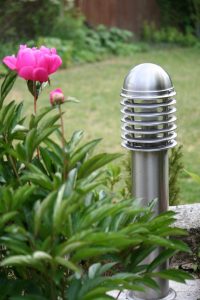 As the snow melts and springtime temperatures start warming up, many homeowners start thinking about the outdoors—including projects they want to complete outdoors. Oftentimes this includes upgrading their outdoor landscaping and lighting. Whether you’d like more lighting in order to entertain or even just to enjoy eating dinner outside with your family, there’s never a bad reason to desire great outdoor lighting.
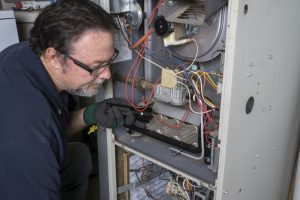 Relatively speaking, our weather is fairly predictable year after year. Yes, we certainly do have cold winters, but we can pretty much count on warmer temps coming in late April, early May. A time when we will be turning our attention to our home air conditioners and ensuring they’re well maintained. This is a great idea, but you certainly shouldn’t ignore your furnace this time of the year, even if you’re not going to need it for much longer. This is particularly true if it’s been showing any problematic symptoms.
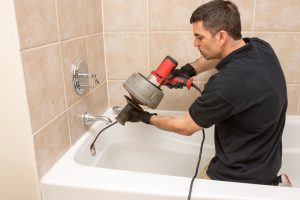 It’s Friday night. You just came home from work, and you’re going to wash up before dinner… only to realize you have a clogged or backed-up drain.
 If you’re reading this post, chances are that your bathroom doesn’t look the way you want it to. Maybe it’s not as functional as it could be, or you’re having trouble getting around it with ease.
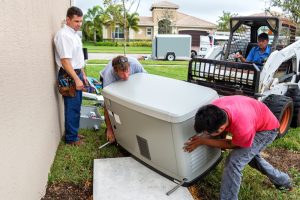 We’re right smack in the middle of the coldest season of the year, which means it’s the last possible time you want to be stuck without power. Could you imagine being without your heating system right now? Not only would it be uncomfortable, it could even be dangerous and unhealthy.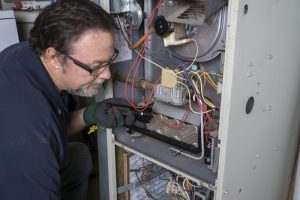
 Would you drive your car for 10 t0 15 years without having an oil change or ever taking it in for a tune-up? We’re going to guess not, since even if you tried, eventually your car would just cease to function.
 What’s that tip, you ask? Use your ceiling fans!
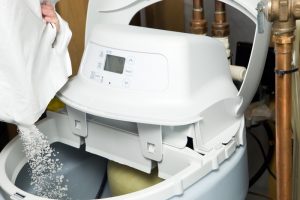 Nobody wants to be told there could be something wrong with their water. In fact, it may even be hard for you to believe something is, in fact, wrong with your water. After all, doesn’t it go through heavy filtration at the water treatment plant in your city? Well, yes, but the water has many miles to travel from that plant before it reaches your faucets, and in that time can pick up a number of particles, including minerals that lead to hard water.