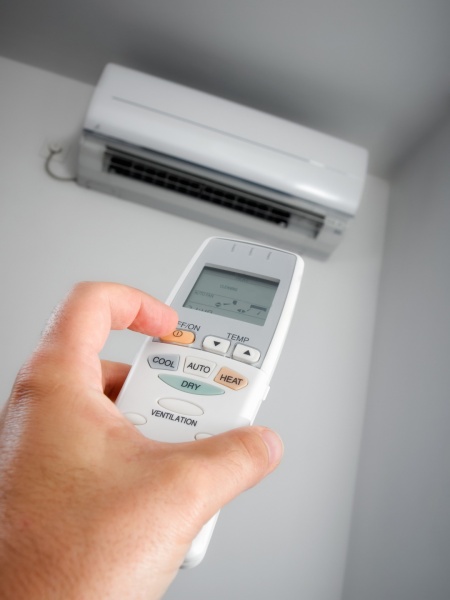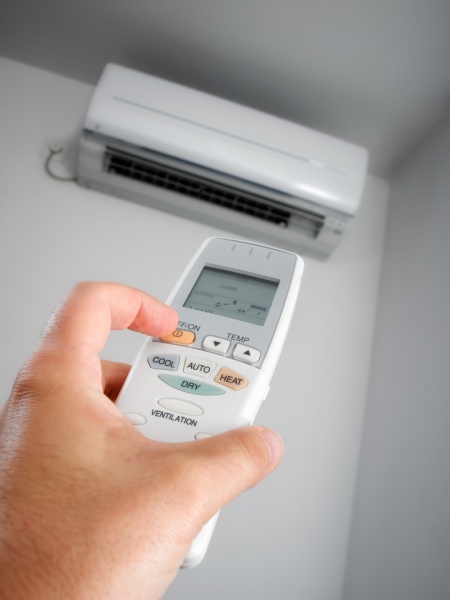


Summer arrived in the blink of an eye and now we’re already halfway through. This is the perfect opportunity to check in with your home, your air conditioner, and yourself. One question that you should always ask yourself is this: “Is my air conditioner getting the job done?”
Summer is a busy time of year. The kids are out of school and at home, you’re planning vacations, and spending time outdoors. Because of all this, you might let your air conditioning services fall to the wayside. We don’t want you to do this, though. You should always keep your AC services at the forefront of your mind throughout this process.
If you’re ready to tackle any AC problems that you might have, then it’s time to schedule an appointment with our North Liberty AC repair company. We’re available to get you high quality service that’s going to improve your AC services without costing too much.

Let’s say it’s a hot summer day, and you’ve just come back inside after a hours spent enjoying the outdoors. You’re probably looking forward to relaxing, with your air conditioner bringing in powerful chilled air and keeping you and your family cool.
The electrical panel of your home, also known as the circuit breaker panel, is tasked with keeping your household’s entire electrical system running as safely and smoothly as possible. Chances are, you don’t think about your electrical panel that much, unless you have a serious electrical problem like a blackout or electrical fire—we sincerely hope this isn’t the case for you.
Our professional plumbers have been in the trade for a long time, and we have seen what can happen when you have the wrong home services “professional” in your home, whether it be for your HVAC, electrical, or plumbing needs.
Did you know that your electrical outlets protect you? At least, this is definitely the case in modern homes. This is part of the reason it’s so important that if you live in an aging home, you have your electrical system inspected on occasion. Today’s electronics and electrical appliances put increased demand on these systems, which can lead to overloads, blackouts, or even electrical fires.