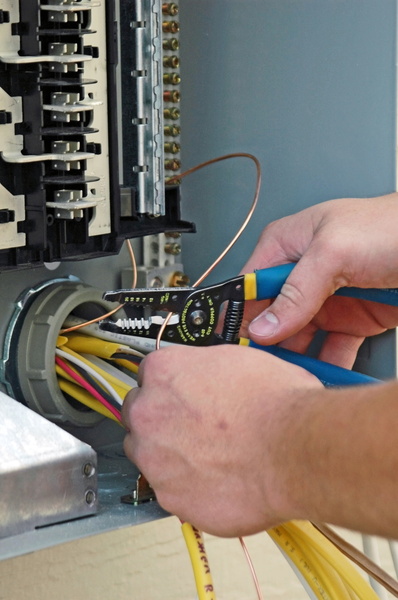
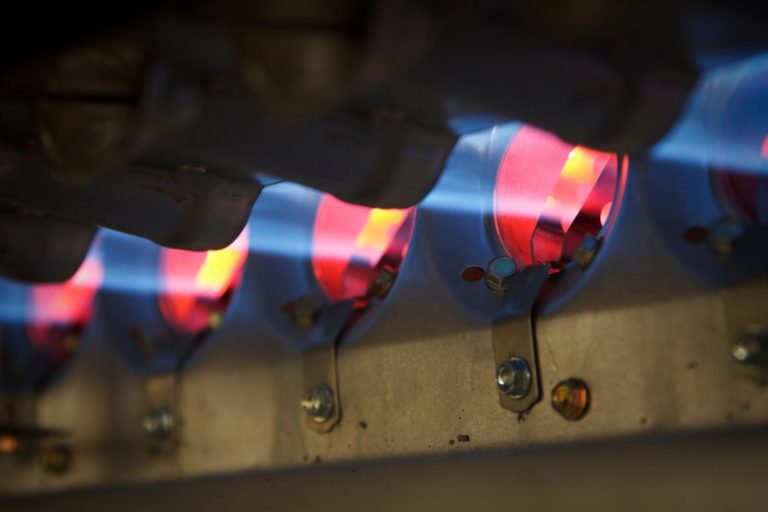
Is your home in need of plumbing repairs? Perhaps it is, but you don’t even realize it. That’s why it’s a good idea to know the signs of a leak so you can detect a potentially disastrous problem like this right away. Fortunately, if you do have an emergency, you can count on our team for superior emergency plumbing services in Cedar Falls, IA. But, we understand that you’d like to avoid a scenario like this altogether!
Dalton Plumbing, Heating, Cooling, Electric and Fireplaces, Inc. Blog: Posts Tagged ‘Cedar Falls’
Common Plumbing Leaks and How to Detect Them
February 20th, 2017 | Written By Billy Pierce | Reviewed By William PierceAs Winter Progresses, Watch for These Signs of Heater Trouble
January 2nd, 2017 | Written By Billy Pierce | Reviewed By William PierceAs our temperatures approach below-freezing levels, our furnaces—or other heating systems—are working particularly hard to meet the heating demands of your home. Hopefully, you had your heating system professionally maintained before winter began, as such service will ensure that your system runs as efficiently and effectively as it can this season.
If you do start to notice any minor issues with your heater, regardless of whether you had maintenance done or not, it’s vital that you not ignore the signs. Contact our professionals and the first indication of trouble so that we can ensure you’re all set for the remaining chilly weather. Keep reading to learn more about the signs of heater trouble within your home.
Are You in Need of Fireplace Repairs?
November 28th, 2016 | Written By Billy Pierce | Reviewed By William PierceWith the weather turning cold and the holidays right around the corner, many homeowners throughout the area will begin using their fireplaces as a source of warmth as well as festive ambience. However, before lighting up your fireplace this season, consider whether or not it’s in good condition.
To make sure that your chimney and fireplace are as safe as they should be and in good working condition, be sure to call in a professional for fireplace installation, inspection, and repairs. Keep reading to learn some of the signs that you may need fireplace repairs before you start using yours on a more regular basis.
Help! My Furnace Won’t Start Up
October 24th, 2016 | Written By Billy Pierce | Reviewed By William PierceTemperatures have begun to decline, signaling that the start of winter is a lot closer than it seems. Soon enough, you’ll be turning on your heater to keep your home comfortable, if you haven’t already. Hopefully if you have, you didn’t have any problems.
But what happens if you go to turn your furnace on and it doesn’t start up? What could be the cause of this trouble? Read on to learn why furnaces may fail to turn on. And if your unit is aging or repeatedly giving you trouble, it might be time to explore which home heating system is right for you and whether a newer, more efficient model could be a better long-term investment.
Furnace replacement involves removing your existing furnace or old unit and installing a new furnace that is properly sized for your home’s square footage and heating capacity needs. This process includes disconnecting vents, electrical wiring, gas lines, air ducts, and ductwork to safely remove the old furnace. Handling heavy objects, such as the furnace unit and other large components, requires proper safety measures and often two technicians. The use of power tools is essential during installation for both efficiency and safety. Preparing the installation area by checking for obstructions and ensuring readiness is a key step before starting the project. After removal, the furnace installer will inspect and reconnect air ducts to ensure optimal airflow and system performance. Choosing a high-efficiency furnace model can help lower your heating bills and provide long term savings. Upgrading to a new system can also improve your furnace’s efficiency, resulting in additional cost savings over time. When replacing your furnace, it’s important to consult a professional furnace installer, who has special training required for the job and is responsible for inspecting ductwork, ensuring proper sizing, and performing the installation steps. The cost of furnace replacement can vary depending on the type of system, such as a gas furnace, installation complexity, and efficiency features, so be sure to consider other factors such as your home’s requirements and overall value when deciding to replace your furnace. Furnace installation is a comprehensive project that requires careful planning and coordination to ensure a well-done job and long-term satisfaction.
What should you check if your furnace won’t start, and when should you consider furnace installation?
If your furnace won’t start, check that the thermostat is set to heat, the circuit breaker hasn’t tripped, and the furnace switch is on. Also inspect the air filter for clogs. If problems persist, it may indicate an aging system or repeated failures, signs that furnace installation could be the best solution.
Introduction to Furnace Installation
Furnace installation is a critical step in ensuring your home’s heating system operates safely and efficiently. The furnace installation process involves much more than simply placing a new unit in your home, it requires specialized training, technical knowledge, and the right tools to guarantee proper installation. An experienced HVAC technician understands the complexities of connecting ductwork, electrical wiring, and fuel lines, as well as calibrating the system for optimal performance. Because the installation process is complicated and involves many technical details, attempting it without the right expertise can lead to costly mistakes and safety hazards. If you’re unsure which ignition system your home needs, learn about pilot lights vs. electric ignition to make an informed decision. By recognizing the importance of professional installation, homeowners can make informed decisions that protect their investment and ensure reliable heating for years to come.
Types of Furnaces
When selecting a new furnace, it’s important to understand the different types available and how they fit your home’s needs. Gas furnaces are among the most popular choices for residential HVAC systems, known for their strong heating capacity and ability to deliver heated air efficiently throughout your home. They typically offer high energy efficiency and lower operating costs, especially in areas with access to natural gas. Electric furnaces, while often less expensive in terms of initial cost, may result in higher heating bills due to electricity rates, but they can be a good option for homes without gas supply. If you’re considering one, read our electric furnace guide to better understand how they operate and what issues to watch for. Oil furnaces are another alternative, though they are less common and may require more maintenance. The right furnace for your home will depend on factors such as your desired energy efficiency, the size of your space, and your budget for both upfront and ongoing costs. Consulting with an HVAC professional can help you choose a system that matches your heating requirements and maximizes efficiency.
Should You Invest in Duct Testing Services?
August 14th, 2016 | Written By Billy Pierce | Reviewed By William PierceMany homeowners assume that if their HVAC system is sufficiently blowing conditioned air into their home, then their ducts must be working just fine. Ductwork should be much more than just functional though. They must also be efficient.
Air ducts aren’t as naturally visible as other components in your home, and as such many problems go undiagnosed and unresolved—sometimes for a long period of time. This is where duct testing services come in—our professionals can come in and make sure that your ducts are working as efficiently as possible, and then take the appropriate steps if they are not. But what are the signs that you need this service?
Some Quick Facts You Should Know about Your Air Filter
July 4th, 2016 | Written By Billy Pierce | Reviewed By William PierceMost homeowners don’t give very much thought to the air filter within their HVAC system. This is natural, since it’s mostly out of sight. However, do you realize the importance of this component? Your air filter is what safeguards the inside components of your heating and cooling system from dust, dirt, debris, and other allergens.
Air filters much be changed or cleaned on a regular basis. Every three months is the general rule, so waiting for your annual or even bi-annual maintenance visit would be a mistake. Changing your air filter is a task you can do on your own, and that you should do in order to ensure that your air conditioner runs effectively and efficiently.
When Did You Last Have AC Repairs Done?
May 23rd, 2016 | Written By Billy Pierce | Reviewed By William PierceWith spring upon us and summer soon on its way, you’ll soon be turning on your air conditioner and have it running for large portions of the day. Right now your AC use is probably pretty minimal, but it could be a good idea to turn it on now and make sure it doesn’t have any obvious problems.
If you do notice issues that are anything short of full system breakdown, you’re likely tempted to wait for repairs until a time you really need your air conditioner to work. However, this could be a mistake since your AC could end up quitting on you when you need it the most. Below we’ve listed a couple reasons you should schedule AC repairs in advance, before you actually need the system.
Signs Your Water Heater May Be Failing
April 18th, 2016 | Written By Billy Pierce | Reviewed By William PierceYour home’s water heater may possibly be the most expensive component of your plumbing system. Keeping this in mind, you want to take care of problems right away if you suspect something is wrong. But how do you know if something’s amiss? Fortunately, many common water heater issues are relatively simple to figure out.
You will, however, want to contact a professional to take care of any repairs you need right away. But what if repairs just aren’t enough? If you have an aging water heater, and it’s experiencing any of the following troubling signs, it may be time to retire your system and replace it with a new one.
How to Detect a Slab Leak
February 22nd, 2016 | Written By Billy Pierce | Reviewed By William PierceA slab leak is one of the most serious problems your home will face here in Cedar Falls, IA, though it’s not through anything unusual about the pipes themselves. Rather, it’s the location that causes all of the trouble: a leak buried under (or sometimes inside) the concrete foundation of your house or porch. That means is can go for months or even years undetected and wreak all kinds of havoc in the meantime. Over time, leaking water can crack your foundation in two. A good plumber can usually correct the problem, either by digging into the concrete or (more efficiently in many cases) reroute the pipe so that the water runs through a more accessible path. But before that happens, you have to detect the slab leak in the first place, which can be tricky to do. Here’s a few signs to help you out.
Time to Get Your Air Conditioner Ready For Spring
February 15th, 2016 | Written By Billy Pierce | Reviewed By William PierceIt’s still winter here in Cedar Falls, IA and that means our heaters are currently keeping our homes warm and cozy. But the thaw will be here before you know it and soon enough, temperatures will be high enough to demand your air conditioner. Now is the time to prep your air conditioner for regular service. It gives you plenty of flexibility to adjust things according to your schedule, and in case there are any surprises, you have plenty of time to deal with them before you have need of your system. Here’s a few tips to help you out.