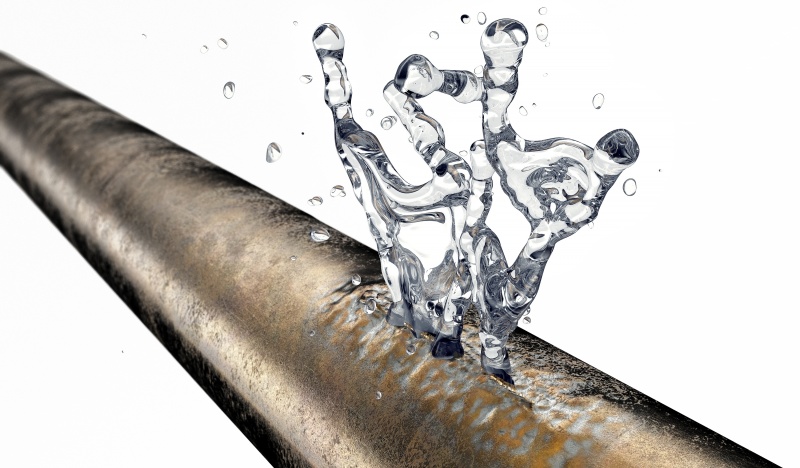
We’re in the fortunate position that it’s currently summertime, and you don’t have to deal with a burst pipe right now. Why’s this? Because it’s a problem that happens when your pipes freeze, which can occur when temperatures outside dip below 30°F. Before you click off this blog post though, this is still a good thing to keep in mind for later! Because not only can we help you fix a burst or frozen pipe, we can help you prevent this problem from occurring altogether.
Read on as we uncover not only what to do when you have a burst (or frozen) pipe, but how to prevent this and other plumbing problems in the future.
The electrical system of your home is likely something you take a bit for granted. Flip on a switch and the lights come on… plug in the toaster and it works! Plug in your phone’s charger and you’re all set…
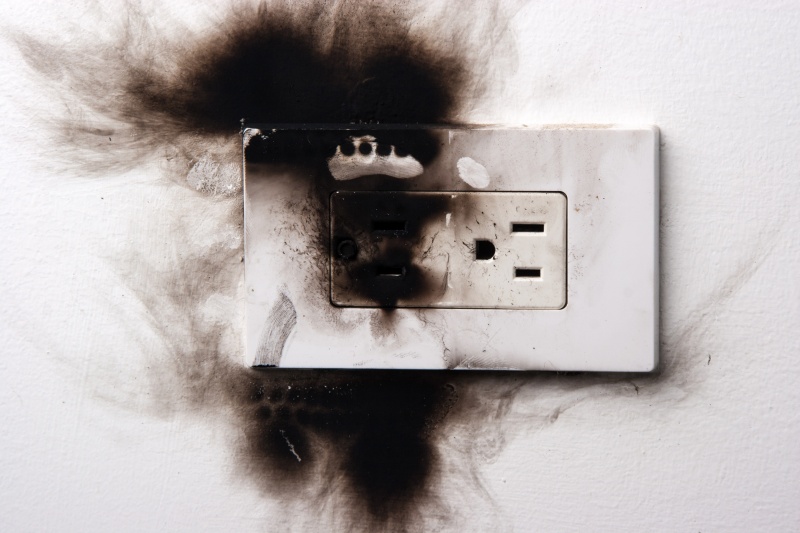
But what if none of those things worked? Or what if something was wrong that was risking your home’s safety as well as electrical efficiency? If you have an older home, this is a very real possibility!
Read on as we uncover the 4 common electrical issues for older homes: flickering lights, tripping circuit breakers, an outdated electrical panel, or outdated outlets.
We’re in the midst of summer, and if you’re reading this blog post now, then chances are that you’re in a bit of a hurry to get a new air conditioner! This isn’t, however, a purchase you want to rush into. Doing so could leave you with an inefficient system, or an air conditioner that isn’t correctly matched for your specific home and needs. It may not even be sized correctly, which causes a whole host of other problems.
Plus, you may find that you would benefit from a whole different type of air conditioner altogether–the heat pump system! This is actually a 2-in-1 HVAC system that not only cools your home but also efficiently heats your home. When you’re ready to learn more about air conditioning in Cedar Falls, IA, don’t look any further than our team. Read on to learn more about these highly efficient and effective HVAC systems. If you’re on the fence, it may help to explore why now is a good time to consider a heat pump for AC replacement—especially if you want year-round comfort from a single system.
Buying a new air conditioner is a big investment. Looking into it before warmer weather arrives gives you more time to compare your options, not just the upfront price, but also what the system may cost to operate month to month, the type of system you want, and the efficiency level that makes sense for your home. For a deeper look, check out this guide on air conditioner installation costs.
The average cost to install central air conditioning ranges from around $5,000 to $12,000, so it helps to plan ahead.
When you’re looking at system sizing, it’s important to think about the cooling capacity and cooling power your home needs. The right AC unit size depends on the square footage of your space, and the size of your home can directly affect the final installation price since larger homes typically need larger systems.
There are several types of cooling systems to consider. Window units can be a practical option for smaller spaces, while central systems and central air units are usually better suited for whole-home cooling. You can also look at air source heat pumps and geothermal heat pumps, which provide both heating and cooling and are known for strong efficiency.
If you’re considering a ductless system, a pre-installation evaluation should include a review of your existing ducts and refrigerant lines. Some modifications may be needed to support a new AC system. It’s also helpful to check for air leaks and evaluate how well your home holds heat so your new HVAC system can be sized properly and run efficiently.
A pre-installation evaluation can cost between $250 and $2,000, depending on the size of the home and the complexity of the energy audit.
During installation, adding a new AC unit or doing an AC replacement may also require electrical work, such as installing a dedicated circuit to support the new system. Financing options like a home equity loan or home equity line can help manage the average cost of a new AC system. Financing options for new AC installation may include home equity loans, HELOCs, personal loans, and cash-out refinances.
Choosing a high-efficiency system with a higher SEER rating can lower your energy bills over time, even if the upfront cost is higher. Regular maintenance and professional installation also matter if you want to avoid costly repairs and help your system run the way it should. Investing in yearly maintenance can help extend the life of your AC unit.
For this kind of work, it’s best to have a trained professional handle the installation. An experienced HVAC technician can match and size the right AC system for your home and your needs. A properly installed system is more likely to run efficiently and deliver consistent results throughout your home. Below, we’ll walk through the factors that affect AC installation cost.
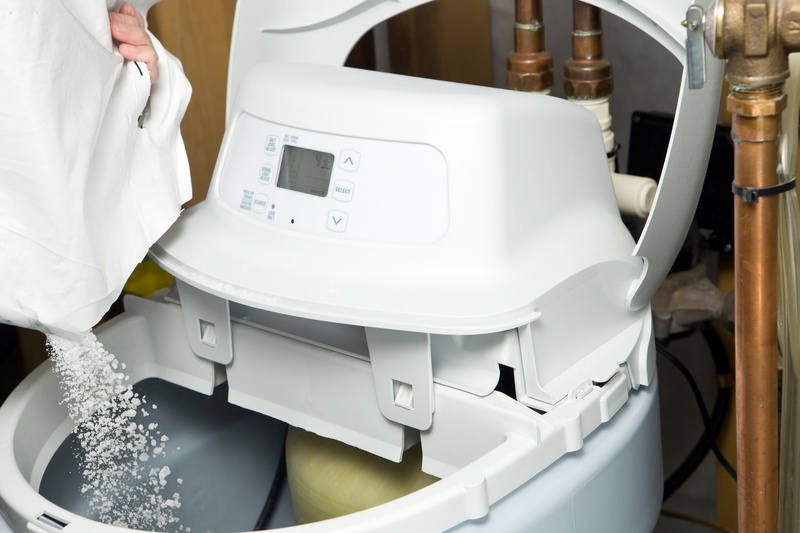
Water softeners are a type of water treatment system that aren’t needed for every home, but they are beneficial for many! Hard water is an issue that’s pretty common throughout neighborhoods in our area. There’s nothing particularly unhealthy about hard water when it comes to you and your family ingesting it. It can, however, definitely impact your quality of life in subtle but annoying and possibly even expensive ways.
For homes with this problem, a water softener is absolutely worth it, so long as it’s a whole-house water softener, professionally installed by an experienced team such as ours. Read on to learn more about these systems!
Something that many Cedar Rapids area homeowners fail to realize is how the quality of their indoor air can actually be worse than the outdoor air. At least, this is the case without the right indoor air quality products and services in place. The right air filtration, purification, and even humidity balance can help improve the overall comfort of your living space, and therefore improve your quality of life! Contaminants in the air can cause a number of problems, both in comfort and for your family’s health. For more strategies on maintaining a healthier home, check out these tips to improve your home’s indoor air quality.
At this point, you might be wondering if you really need anything more than the standard air filter that comes with your HVAC systems during manufacturing and installation. The answer is probably yes! The thing is, the purpose of this air filter isn’t to improve your indoor air quality. Rather, its purpose is to protect the interior components of your HVAC system from dust, dirt, and other debris that can get inside and damage its components.
Read on to learn about more powerful options that are designed to improve your overall indoor air quality.
There’s no secret that homeowners today not only want to be comfortable in their homes as affordably as possible, but that they also want to be as safe and healthy as possible. There are many ways to achieve this–with the right comfort control systems, the right indoor air quality solutions, and the right water treatment!
That last one doesn’t get talked about a lot, but it should. Even though the water that comes from the city’s plant is heavily treated, it has many miles to travel from that plant to your home, and along the way can pick up minerals and contaminants that affect the taste, the water quality, and even your plumbing system.
Read on as we uncover the types of water treatment systems on the market today, the signs you need water treatment, and what the benefits are of having a whole-house water treatment system installed.
We don’t mean to say that the most underappreciated system in your home is the plumbing, but let’s face it, it probably is.
It’s one of those modern conveniences we rely on each and every day without ever really thinking about it. But in not thinking about it, we could be making big mistakes that have dastardly consequences later on. Read on as we uncover some of the best and some of the worst ways to treat your plumbing system. And don’t hesitate to reach out when your system needs some professional help!
There’s a common belief among homeowners that air conditioners have their limits. They do, just maybe not in the way that you think.
For instance, most air conditioners can not reach over 20°F below whatever the temperature is outside. So, if we were to experience a 100°F day, setting the thermostat to 70°F won’t do anything except cause the compressor to keep running, and do so inefficiently.
Another limit is that even with careful, routine maintenance, all air conditioners will eventually wear down to the point that they’re no longer usable. The useful service life of the average cooling system is 10-15 years.
A common question we get, in regards to air conditioning limitations, is “how long should I run my AC during the summer?” The short answer to this is, “as long as you want to!” Here’s the thing…. you can keep your thermostat set to “cool” mode 24/7 during the summer if you want to. This only becomes inefficient and leads to faster wear and tear if you fail to have your system professionally maintained and/or you don’t use your thermostat correctly. Read on to learn more!
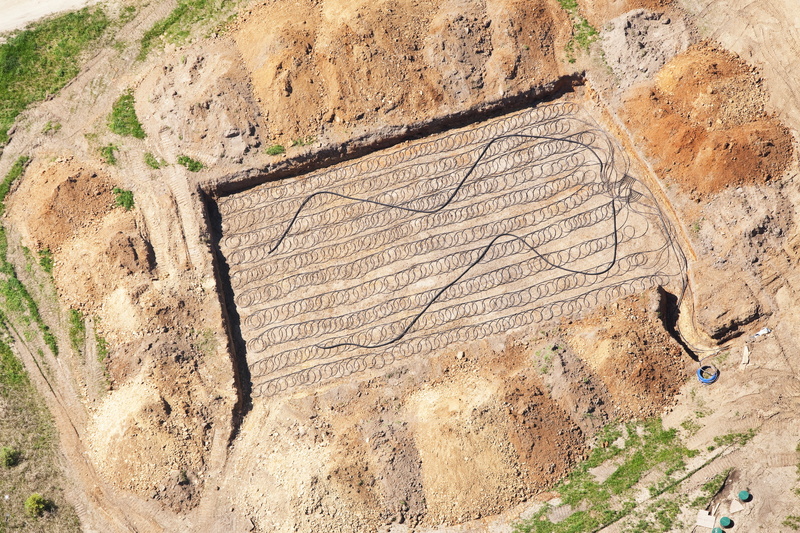
More and more homeowners throughout the Cedar Rapids area are seeking ways to cut expenses and explore alternatives to their current HVAC methods in order to do so. Geothermal energy can often get overlooked, with folks assuming that it’s “just as expensive” as any other type of air-source heating and cooling applications.
But this simply is not the case. Geothermal cooling and heating may be the perfect solution for your home. Below, we’ve outlined how this might be the case. If you want to keep your home as comfortable as possible, as affordably as possible, read on!