

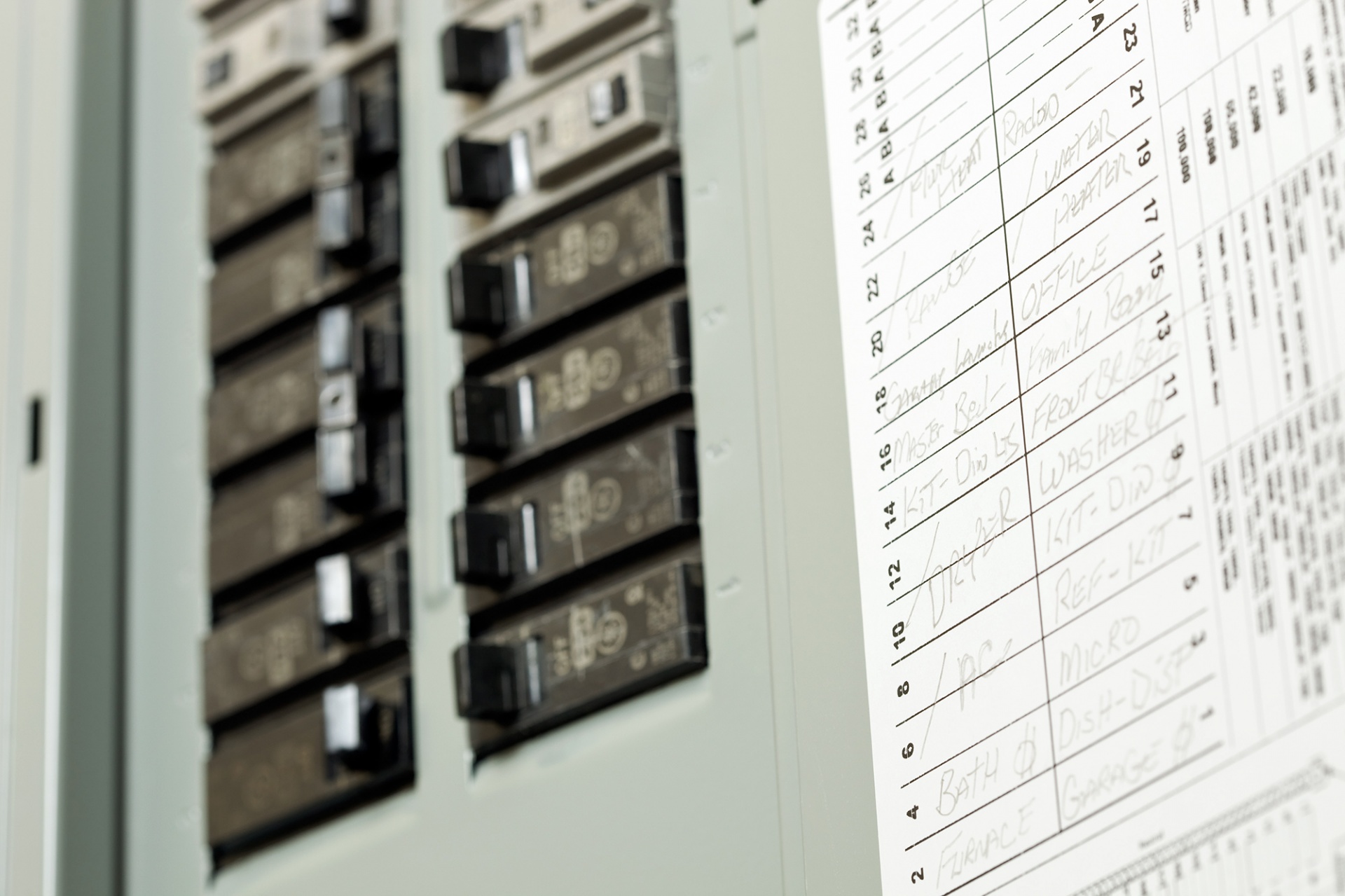
For a time, electrical panels were the new and improved version of a fuse box. Those old systems aren’t really used anymore and you should first make sure that your home has an electrical panel before looking into repairs. But for most of us, that’s already a reality.
Your electrical panel is the box that has all of the labeled circuits of your home in one location. It serves as a centralized hub, a place where you can always check to see if a certain electrical circuit is on or off, or you can even see how many circuits there are in terms of your power load. If all of the power of your house is going to one outlet, then you can identify which labeled part that is in your electrical panel for an upgrade.
But sometimes you’ll notice bad things, like corrosion or a broken switch, and those are signs that your electrical panel in Cedar Rapids, IA needs repairs.
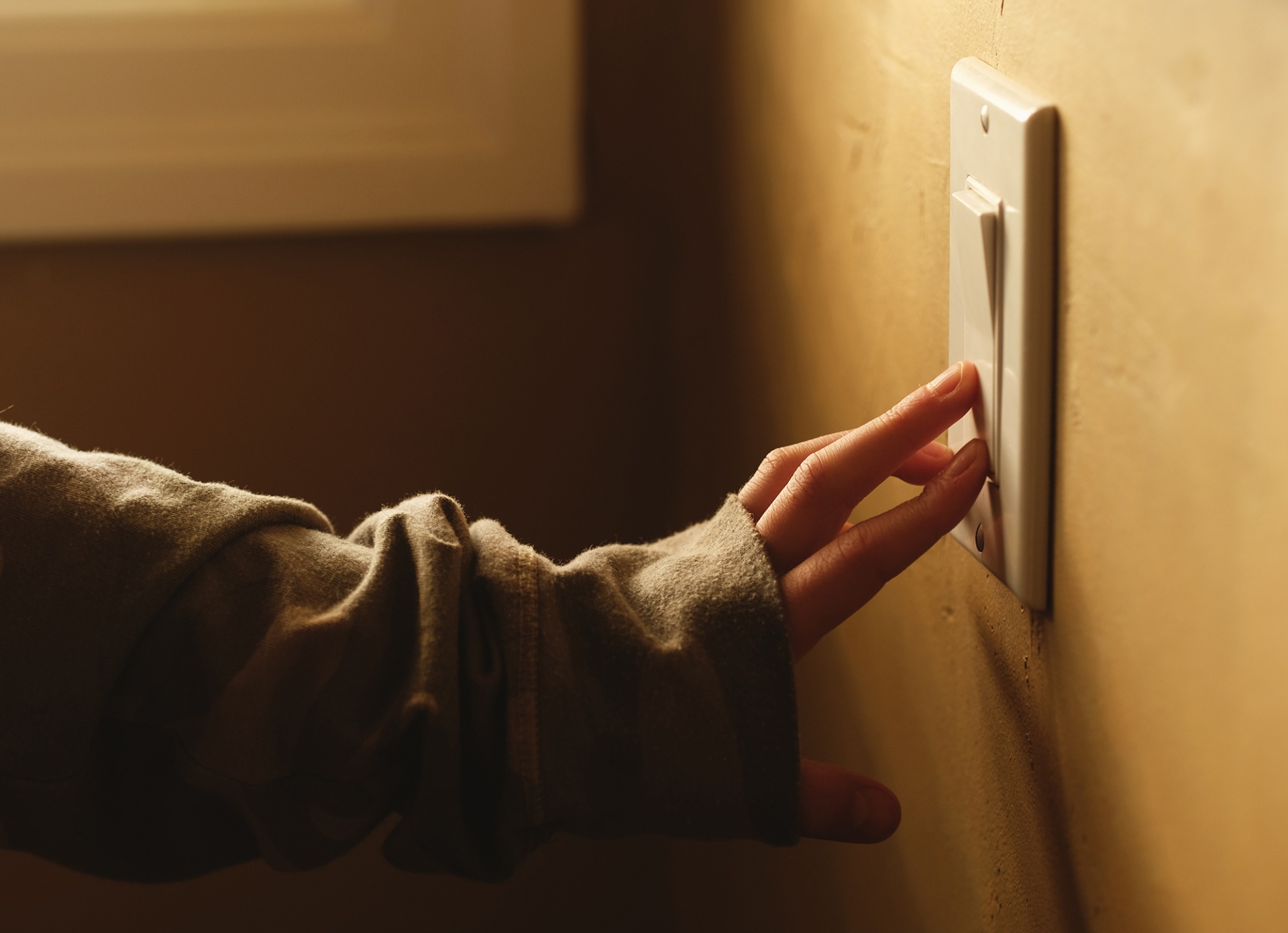

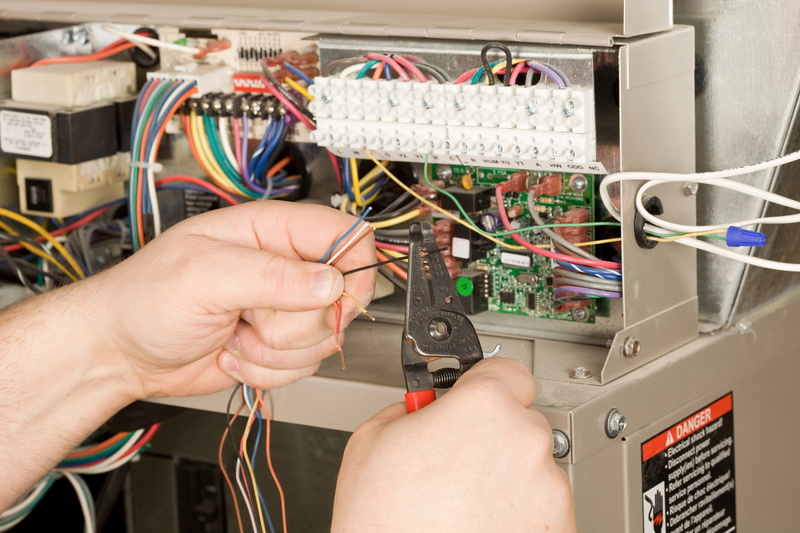
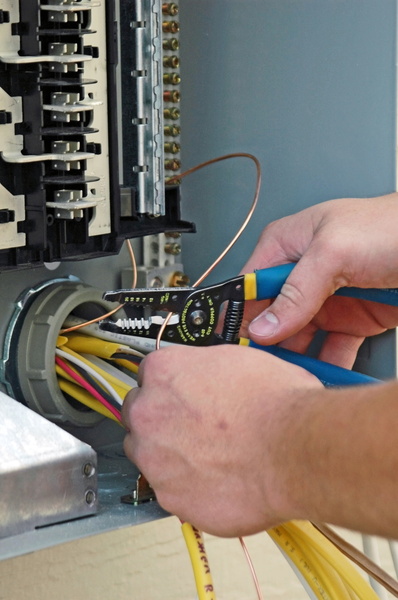
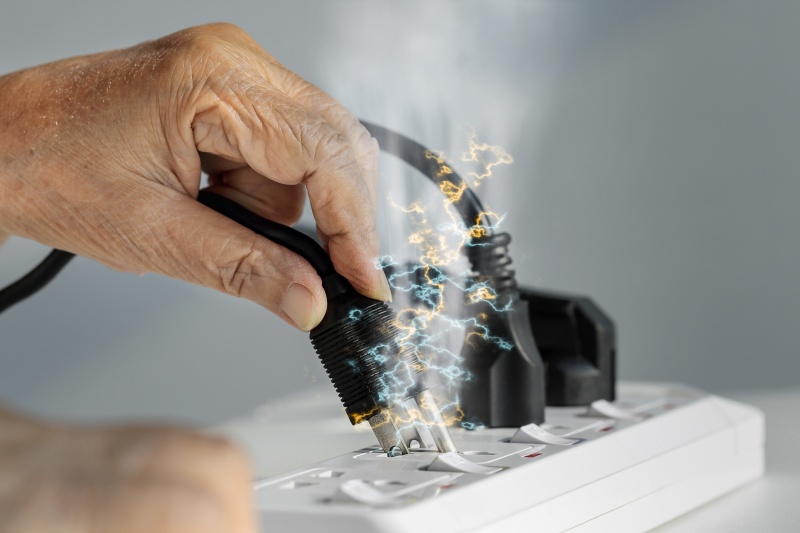
 Did you know that your electrical outlets protect you? At least, this is definitely the case in modern homes. This is part of the reason it’s so important that if you live in an aging home, you have your electrical system inspected on occasion. Today’s electronics and electrical appliances put increased demand on these systems, which can lead to overloads, blackouts, or even electrical fires.
 Is your home operating as safe as it should be? What we mean is, what kind of shape is your electrical system in? If your home is a few decades old and you’ve never had an electrical inspection, there’s a good chance you could be operating on an outdated panel. This is a problem for a number of reasons.
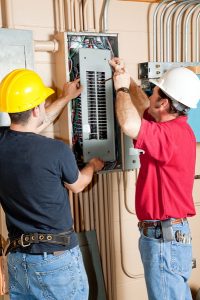 Also referred to as the circuit breaker panel of your home, the electrical panel is the central hub of your entire electrical system—where the incoming electricity is routed to the different circuits. The breakers are designed to shut off circuits in case of voltage overload. If you have an older circuit breaker panel, you should ensure you aren’t overdue for having it replaced.
 Have you taken a good look at your landscaping lately? Probably not, since it’s been covered in snow in prior months. But now that it’s melting away, consider this—is your outdoor landscaping and lighting serving the function you want it to? Maybe you’d like more lighting in order to entertain. Or perhaps you’d like to enjoy your patio for meals with the family when the weather gets warm enough.