
Every home in the 21st century needs electricity. Even those tiny, off-the-grid homes, usually have some kind of generator that gives them the power to charge a phone or keep the lights on. Electricity is what makes our homes modern, they give us access to appliances and heating, automatic dishwashing and laundry, and much more.
However, an electrical system can be dangerous when it’s not installed or maintained properly. You’ve all seen these kinds of disasters in movies and television shows, where an exposed wire meets water or another exposed wire. There’s a reason why surge protectors and grounded outlets are so important, and we’re going to cover that topic today. It’s possible to keep your home safe from electrical fires and hazards, it just takes professional help. So, let’s discuss how an electrician in Marion, IA can help you with keeping your home safe.

 Did you know that your electrical outlets protect you? At least, this is definitely the case in modern homes. This is part of the reason it’s so important that if you live in an aging home, you have your electrical system inspected on occasion. Today’s electronics and electrical appliances put increased demand on these systems, which can lead to overloads, blackouts, or even electrical fires.
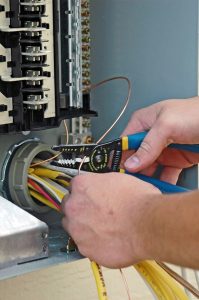 Is your home operating as safe as it should be? What we mean is, what kind of shape is your electrical system in? If your home is a few decades old and you’ve never had an electrical inspection, there’s a good chance you could be operating on an outdated panel. This is a problem for a number of reasons.
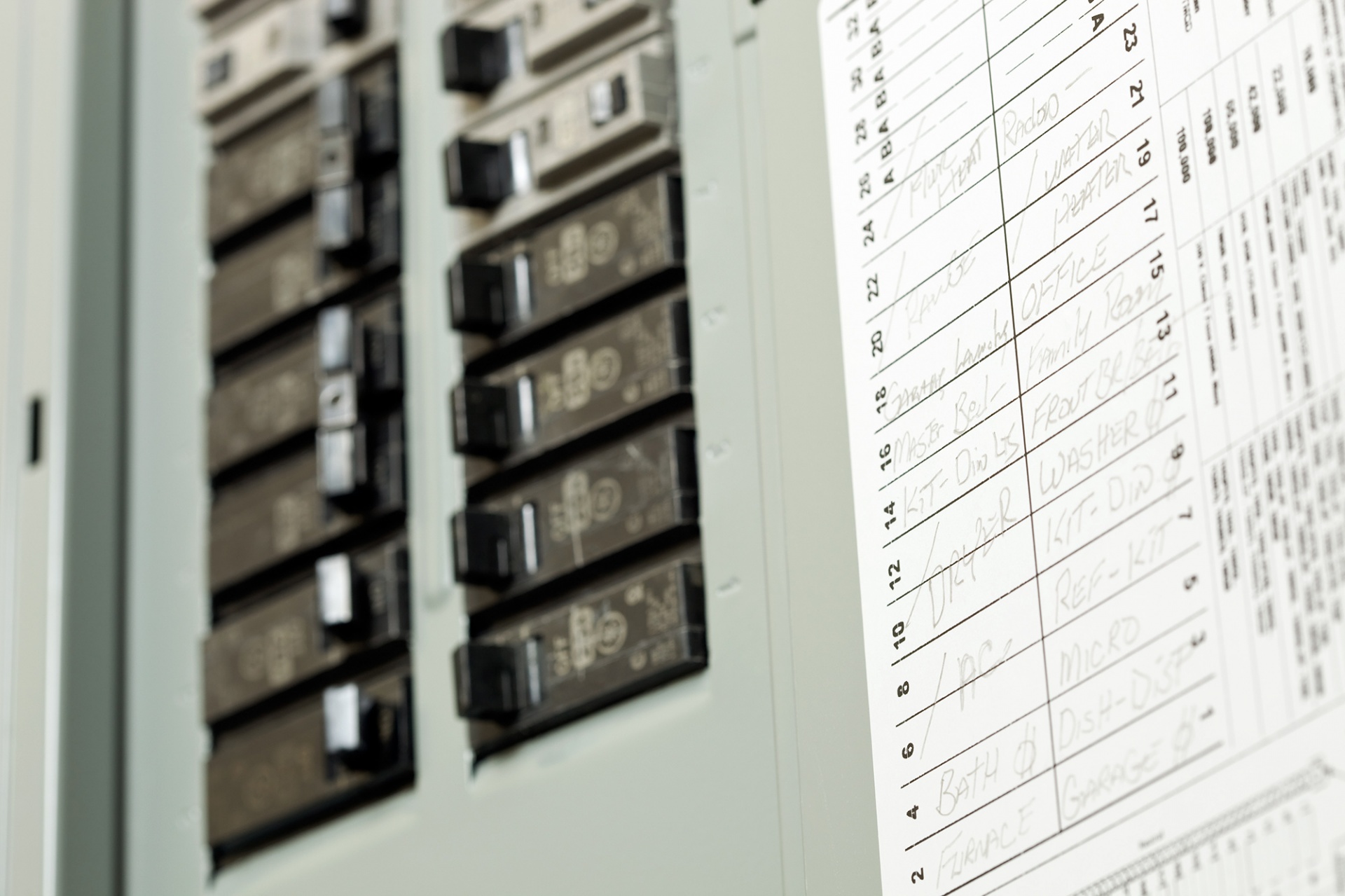
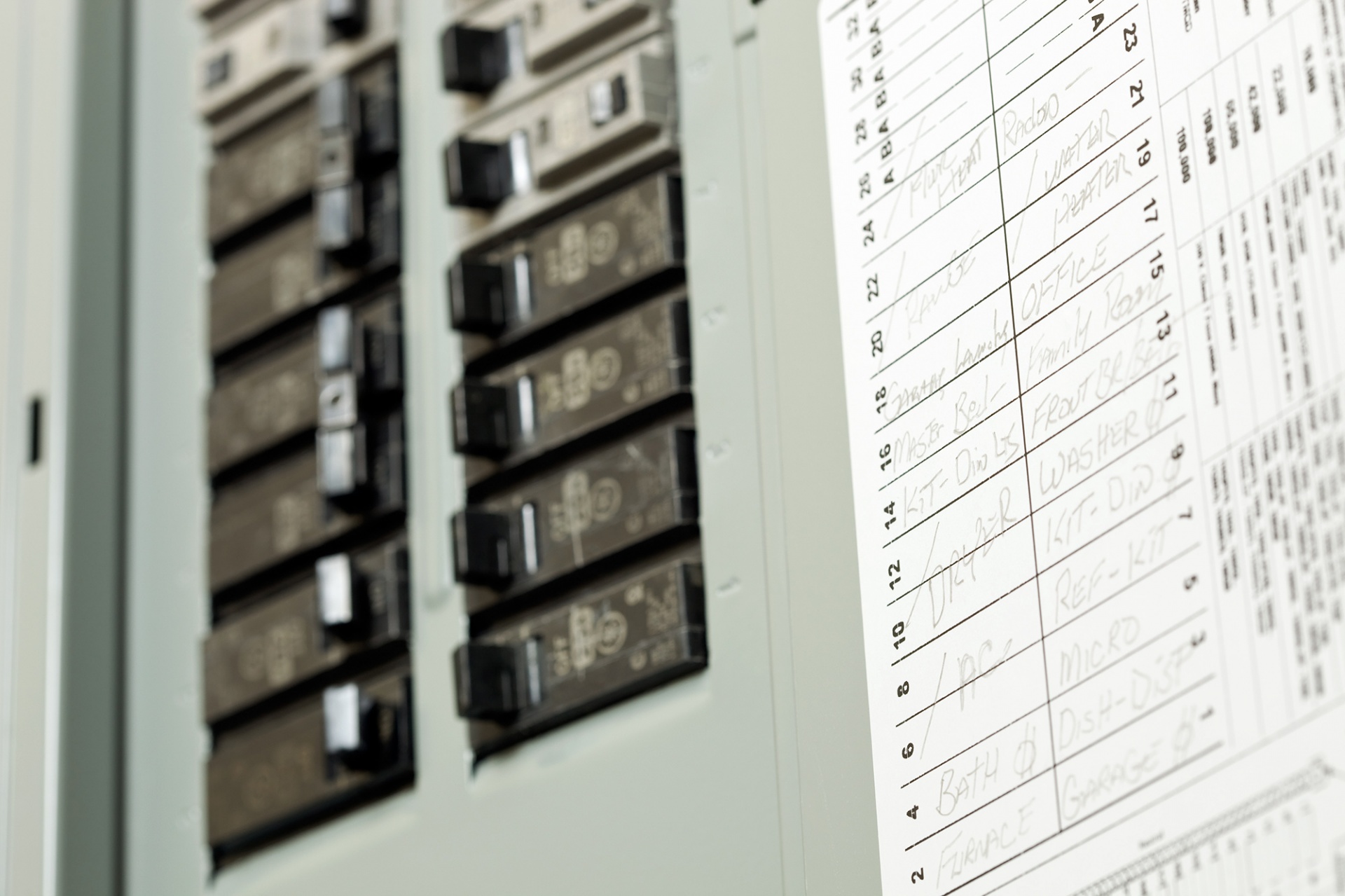
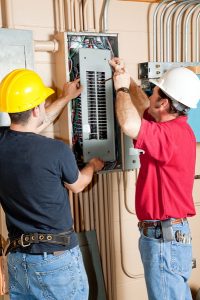 Also referred to as the circuit breaker panel of your home, the electrical panel is the central hub of your entire electrical system—where the incoming electricity is routed to the different circuits. The breakers are designed to shut off circuits in case of voltage overload. If you have an older circuit breaker panel, you should ensure you aren’t overdue for having it replaced.