Is your home operating as safe as it should be? What we mean is, what kind of shape is your electrical system in? If your home is a few decades old and you’ve never had an electrical inspection, there’s a good chance you could be operating on an outdated panel. This is a problem for a number of reasons.
First off, an old electrical panel can cause power surges. When a powerful appliance such as your HVAC system cycles on, it can cause a surge through the panel, and this can damage other, smaller appliances and electrical equipment throughout your home–think, your refrigerator, microwave, toaster oven, etc.
Secondly, outdated electrical panels pose a fire hazard, which, of course, is a serious problem. But you can avoid this! By knowing the signs that you need an electrical panel upgrade, you’ll know when it’s time to call us, and we can get your home back on track. Read on to learn what these indicators are.
Homes today have more electrical equipment and appliances in them than ever before. In fact, if we had to guess we’d say that you likely have multiple devices connected to your power supply/electrical grid at any given time, right? What’s the best way to protect your appliances and power charging stations, though?
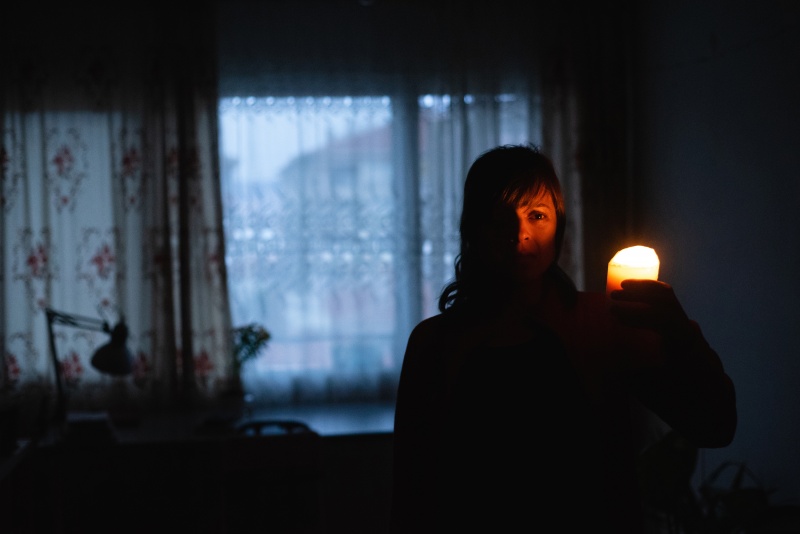
We’re right smack in the middle of the coldest season of the year, which means it’s the last possible time you want to be stuck without power. Could you imagine being without your heating system right now? Not only would it be uncomfortable, it could even be dangerous and unhealthy.
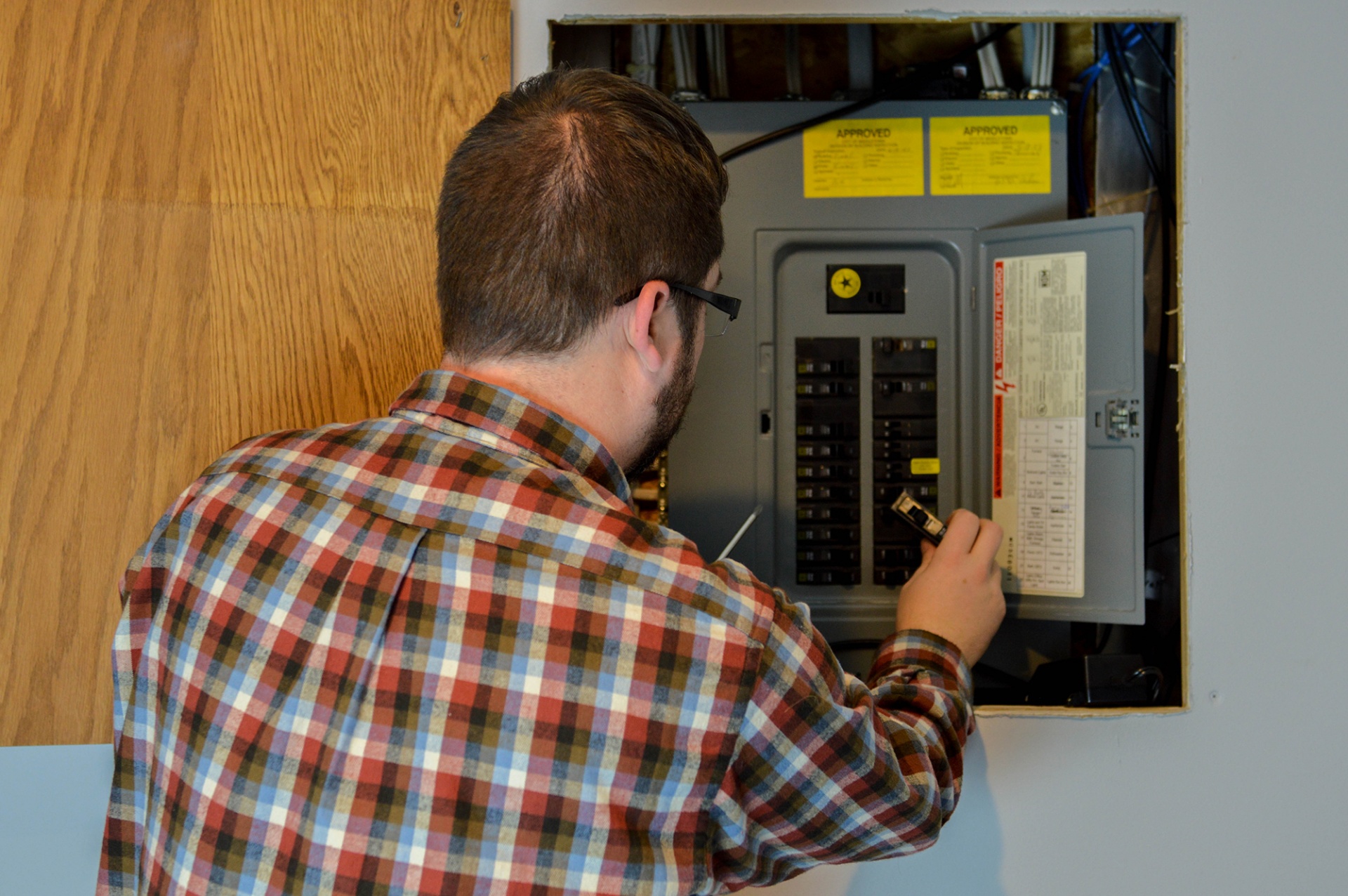
Also referred to as the circuit breaker panel of your home, the electrical panel is the central hub of your entire electrical system—where the incoming electricity is routed to the different circuits. The breakers are designed to shut off circuits in case of voltage overload. If you have an older circuit breaker panel, you should ensure you aren’t overdue for having it replaced.
Have you taken a good look at your landscaping lately? Probably not, since it’s been covered in snow in prior months. But now that it’s melting away, consider this—is your outdoor landscaping and lighting serving the function you want it to? Maybe you’d like more lighting in order to entertain. Or perhaps you’d like to enjoy your patio for meals with the family when the weather gets warm enough.
Homeowners throughout the U.S. have become more and more dependent on electronic devices and high efficiency appliances. Combined with inclement weather of any kind—such as thunderstorms—the risk of power surges increase. They pose a serious threat, more serious than you may realize, to your electronic equipment and appliances.
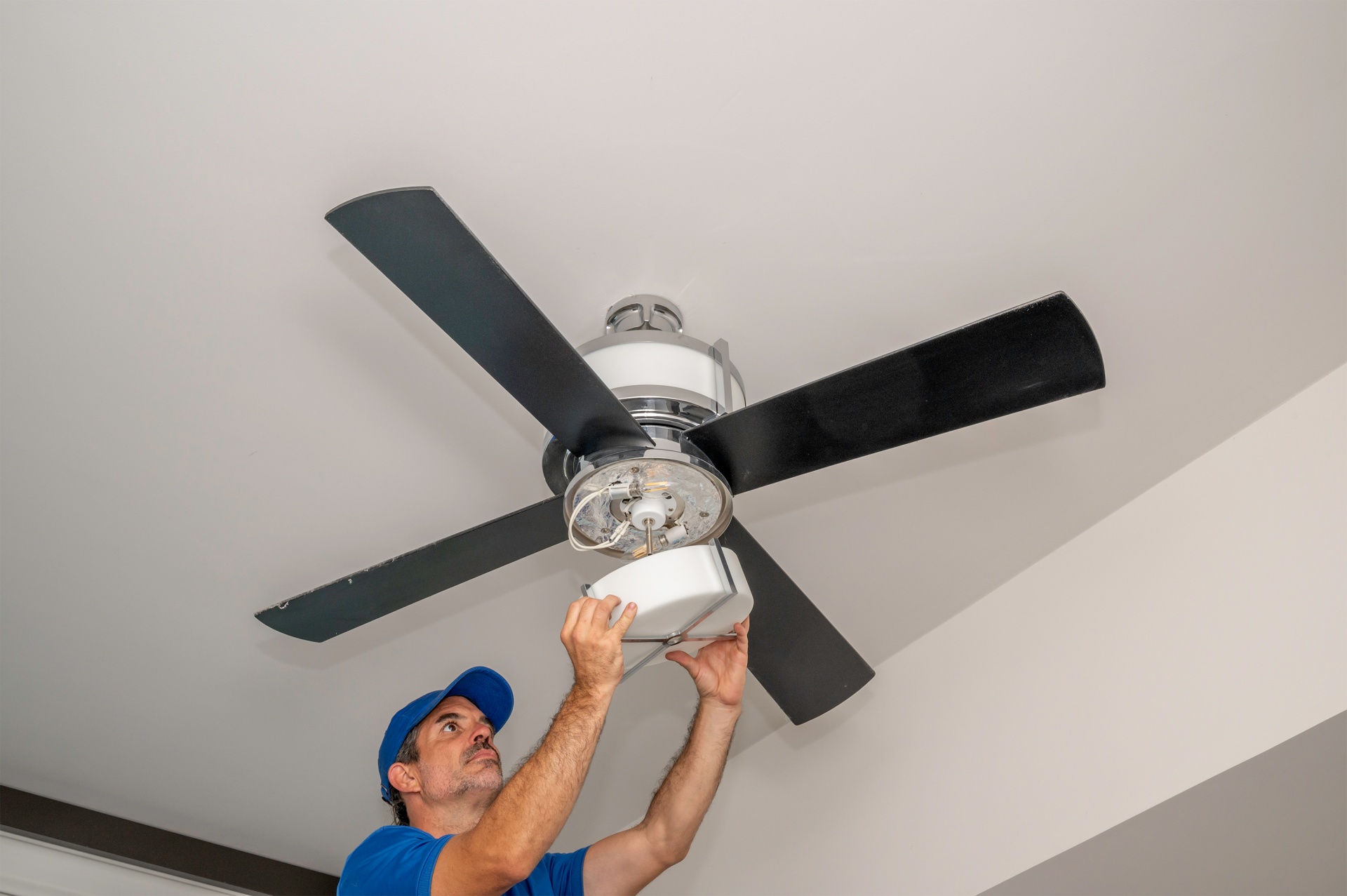
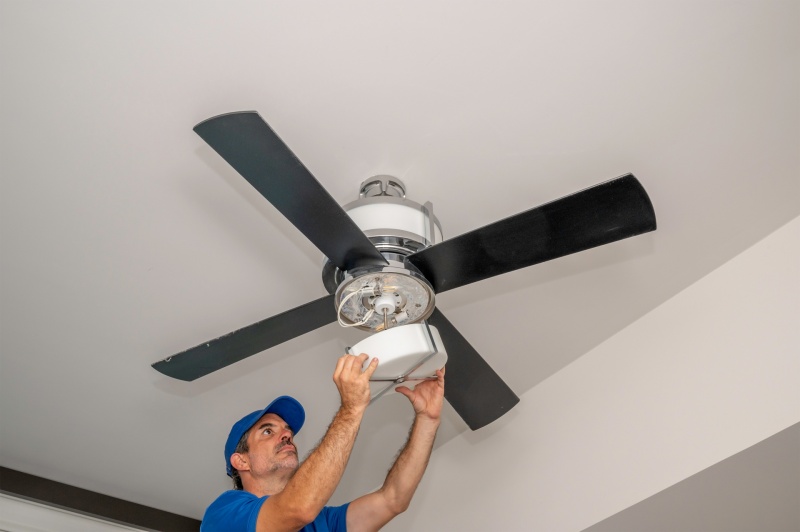
You might have heard at some point that ceiling fans do very little to actually lower the temperature of the air in the room in which they’re running. So leaving the ceiling fan on all day when you’re not home won’t actually help the room feel that much better when you do come back.
In short, yes! If you disagree, we urge you to reconsider. Homeowners throughout our area have beyond have become more and more dependent on electronic devices and high-efficiency appliances in even the last couple of decades. When you couple this with inclement weather of any kind (although surge protection is not just “storm protection”) the risk of power surges increase. Power surges present a more serious threat than you likely even realize—to your appliances, electronics, and home overall.
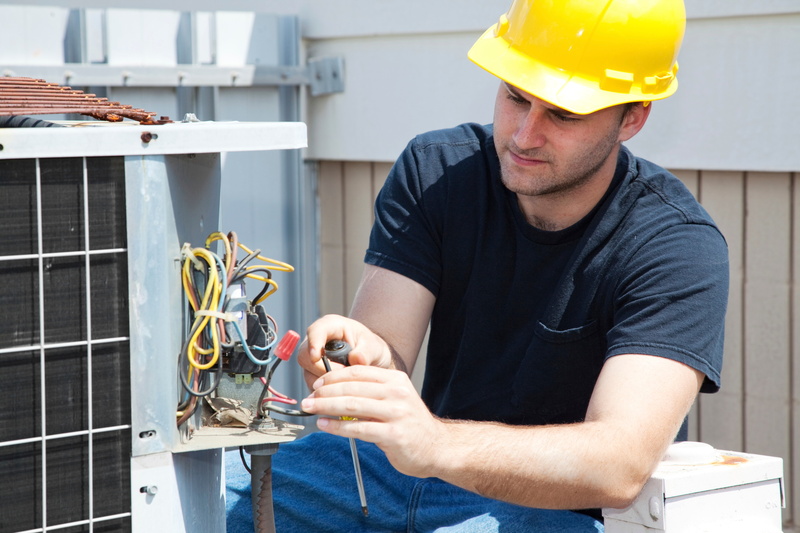
Temperatures have only just begun to warm up, but as a diligent homeowners, you’ve probably already begun thinking about your air conditioner—getting it serviced if need be, or upgrading to a new, more efficient system. This is a very important part of summer preparation, but certainly not the only home system you should be thinking about.