

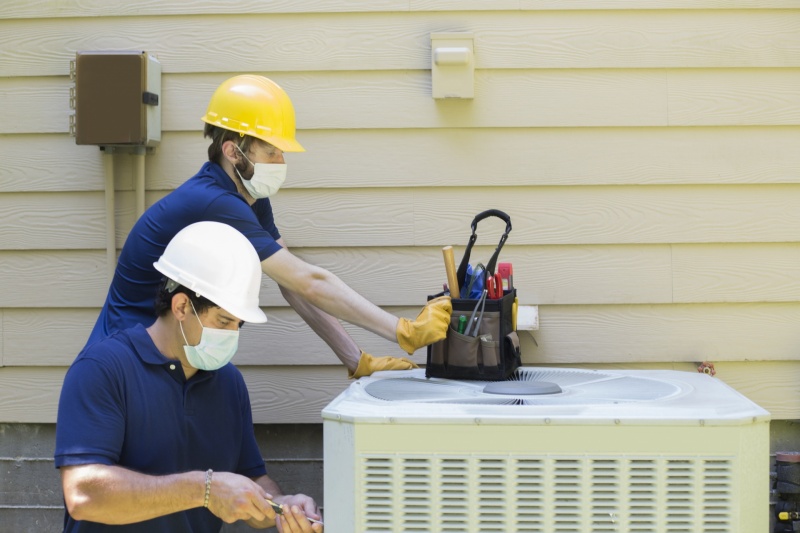
If you’ve followed our blog for long, you’ve probably seen us talk about maintenance more than once. That’s because it plays an important role in keeping your heating and cooling equipment in good shape and supporting dependable cooling performance. Tune-ups help your air conditioner and furnace work as efficiently and effectively as possible for as long as possible.
We usually recommend scheduling air conditioning maintenance before summer begins. But if it’s already late in the season, it can still make sense to have it done. It’s not too late. In fact, it can still be a good time to book early for a convenient AC tune-up and have a professional take a look before small issues turn into larger ones. Prompt AC service can help support a more reliable system during hot weather.
The bigger point is consistency. Air conditioners should generally be tuned up at least once a year, and heat pumps usually need maintenance twice a year because they run for both heating and cooling. Here’s why this service matters in your home.
Introduction to Air Conditioning
Air conditioning does more than cool the house. It also plays a role in indoor air quality and overall system performance during the hottest months of the year. When your system is clean and running properly, it can move air more effectively and use less energy.
Regular AC maintenance helps keep the air filter, coils, refrigerant lines, and other components working the way they should. When those parts are neglected, the system often has to work harder, which can lead to higher energy bills, more wear, and a greater chance of repairs.
Routine tune-ups are one of the simplest ways to protect your equipment, reduce unnecessary strain, and help the system operate more efficiently over time.
Heat Pump Basics Every Homeowner Should Know
Heat pumps are a versatile type of HVAC system because they can handle both heating and cooling. Instead of creating heat from fuel, they move heat from one place to another. During warmer months, they move heat out of your home to support cooling.
There are two main types of heat pumps: air source heat pumps and geothermal heat pumps. Air source heat pumps move heat using the outdoor air, while geothermal systems use the ground or a water source. Both can be efficient options when they are properly installed and maintained.
How Timely Heat Pump Maintenance Helps Lower Cooling Costs
On average, each year your air conditioning system goes without routine maintenance, it can lose some efficiency. As that decline builds over time, your system may run longer to do the same job, which can raise operating costs. If your AC is blowing warm air instead of cool air, it may be time to have it checked.
Regularly replacing filters also matters. A clean filter supports airflow and helps reduce unnecessary strain on the system.
With maintenance, your air conditioner may be able to retain much more of its original efficiency. That efficiency is often measured by SEER, or Seasonal Energy Efficiency Ratio. The higher the SEER, the more efficient the system can be. But if maintenance is skipped, even a higher-efficiency system may not perform the way it should. Central air systems especially benefit from timely service.
If you’re also thinking about replacement, it can help to understand how much AC installation costs. In some situations, repairing or replacing a specific component may make more sense than replacing the full system.
How Regular Heat Pump Maintenance Prevents Expensive Repairs
One of the biggest benefits of routine maintenance is that it can help reduce the chances of a sudden breakdown during hot weather. A professional tune-up gives your technician a chance to spot wear, airflow issues, and other problems before they become more serious. You can also schedule early AC maintenance service to avoid waiting until the busiest part of the season.
Routine maintenance is often estimated to help prevent a large share of the repair costs an air conditioner may eventually face. That does not mean every repair can be avoided, but it does mean regular service can catch problems earlier. Learn how routine HVAC maintenance visits help support system life and performance.
No matter what time of year it is, professional maintenance and timely attention to unusual symptoms can go a long way toward reducing surprise repair needs.
Key Factors That Affect Heat Pump Efficiency
To keep your heat pump operating efficiently, regular maintenance and proper operation both matter. We typically recommend maintenance for your heat pump in the spring and again in the fall. Here are a few factors that affect efficiency:
- Clean outdoor coils: Dirty coils, especially condenser coils, can restrict airflow and reduce performance. Keeping coil fins clean helps support proper heat transfer.
- Proper air filter maintenance: Clean filters support airflow and help keep the heat pump from overworking.
- Correct thermostat operation: A thermostat issue can cause the system to run inefficiently.
- Refrigerant leaks: Leaks in the refrigerant system can reduce efficiency and force the heat pump to work harder.
- Proper electric control: Faulty controls can lead to poor performance or system problems. control: Faulty controls can lead to poor performance or system problems.
The evaporator coil and indoor coil should also be inspected for dirt, freezing, or damage. Addressing these issues helps the system run more smoothly and efficiently.
How Often Should You Schedule Heat Pump Maintenance?
Heat pumps should be maintained regularly to support efficient operation and longer equipment life. In many homes, that means service twice a year: once before the heating season and once before the cooling season. This gives your technician time to inspect and clean the system, including the outdoor unit, indoor coil, and air filter.
It also helps to stay on top of a few routine checks throughout the year:
- Monthly: Check and clean the air filter. Replace it as needed to support airflow and performance.
- Seasonally: Inspect and clean the outdoor unit so dirt and debris do not build up.
- Annually: Have the refrigerant system, thermostat operation, electrical components, and refrigerant lines checked by a professional.
Regular maintenance can help reduce energy bills, lower the risk of repairs, and keep the system working more effectively. By scheduling seasonal HVAC tune-ups, you can prepare your system for the work ahead.
What Happens During a Professional Heat Pump Tune-Up?
A professional heat pump tune-up usually includes several important steps to help the system run efficiently in both heating and cooling mode:
- Cleaning the air filter and replacing it if needed
- Inspecting and cleaning the outdoor coils
- Cleaning and inspecting condenser coils and coil fins
- Inspecting the evaporator coil and indoor coil for dirt, freezing, or damage
- Checking and adjusting the thermostat
- Inspecting the refrigerant system for leaks
- Checking electrical controls and making needed adjustments
- Running a performance test to confirm the system is operating properly
A licensed technician should complete the inspection and explain any repair or replacement recommendations clearly before work begins.
AC System Inspection and Repair
A full inspection of your air conditioning system helps identify small problems before they become larger repairs. During an AC inspection, a technician will typically look over major components such as the air filter, evaporator coil, condenser unit, refrigerant lines, condensate drain line, thermostat, and electrical connections.
This kind of inspection helps protect efficiency and gives homeowners a clearer picture of what their system needs. In places like Des Moines, summer heat and humidity can put extra strain on an air conditioning system, so annual inspections can be especially helpful before the cooling season starts.
If issues are found, your technician can explain what needs attention now, what can wait, and whether repair or replacement makes more sense for the condition of the system.
Condensate Drain Line Maintenance
The condensate drain line moves moisture away from your air conditioner. If that line becomes clogged with dirt, debris, or algae, it can lead to water problems around the system and may affect performance.
As part of regular AC maintenance, the drain line should be inspected for slow drainage or blockages. Keeping it clear can help prevent water damage and reduce unnecessary strain on the system.
DIY vs Professional Heat Pump Maintenance: What’s Best?
There are a few basic maintenance tasks homeowners can handle, such as changing filters and keeping the outdoor unit free of debris. But more involved service and repairs should be left to a trained technician.
Professional maintenance gives your system a more complete inspection and helps catch issues that are easy to miss. It also helps ensure the work is done safely and correctly.
How to Create a Heat Pump Maintenance Schedule
A regular schedule helps your heat pump stay more efficient throughout the year. It also makes it easier to catch issues before they turn into more expensive problems. A good place to start is to keep up with routine HVAC maintenance and build around your system’s usage.
A simple schedule may include:
- Cleaning or checking the air filter every 1 to 3 months
- Scheduling a professional maintenance visit once before cooling season and once before heating season
- Checking the outdoor unit every few months for debris or restricted airflow
- Having refrigerant and electrical components inspected during professional service
The right schedule depends on how heavily the system is used, the local climate, and the type of heat pump you have.
Tips for Maintaining a Consistent Heat Pump Service Schedule
Staying consistent usually comes down to a few simple habits:
- Replace or clean filters on a regular schedule
- Set reminders before each heating and cooling season
- Keep the area around the outdoor unit clear
- Have a technician inspect the system before the busiest part of each season
These steps can make it easier to stay ahead of maintenance instead of reacting after a problem shows up.
Choosing the Right AC Service Provider
Choosing the right AC service provider matters because maintenance is only as good as the inspection behind it. Look for a company that communicates clearly, explains recommendations in plain language, and has experience working on your type of system.
A reliable provider should offer thorough service for your air conditioner, including inspections of filters, coils, refrigerant lines, electrical components, and other key parts. It also helps to choose a company that understands local conditions in the Des Moines area and can explain what your system needs based on how it is used.
Clear communication and upfront pricing matter here. You should understand the work being recommended and what your options are before moving forward.
AC Service and Maintenance Plans
A maintenance plan can be a practical way to stay on schedule with routine service. In many cases, these plans include annual or seasonal tune-ups and regular inspections of important components such as filters, airflow, electrical parts, refrigerant lines, condenser coils, and the drain line.
For homeowners in places like Des Moines, where summer heat and humidity can put extra strain on a system, regular inspections can help catch issues early. The right plan depends on the equipment you have and how often it runs, so it helps to ask what is included and how the plan supports your system over time.
Emergency AC Repair Services
When an air conditioner stops working during hot weather, fast response matters. Emergency AC repair can help get the system checked quickly and keep a small issue from turning into a larger one.
A professional technician should diagnose the problem, explain the repair clearly, and share pricing before work begins. If you need AC repair in Des Moines, it helps to work with a team that can communicate clearly and focus on getting the system back into working order as efficiently as possible.
Customer Satisfaction Guarantees
At Dalton Plumbing, Heating, Cooling, Electric and Fireplaces, Inc., we perform our work using established safety practices and professional standards. Our technicians explain recommendations clearly before any work begins. Pricing is shared upfront so you understand your options before moving forward.
Approved work is fully guaranteed according to stated terms. Warranty coverage applies only as outlined and within the agreed scope of service.
How Proper Heat Pump Maintenance Improves Long-Term Efficiency
The average service life of an air conditioner is often around 10 to 15 years, though actual lifespan depends on the system, how it is used, and how well it is maintained. Routine maintenance helps the equipment run more efficiently and can reduce wear that leads to avoidable repairs.
When maintenance is skipped year after year, system strain tends to increase. That can shorten equipment life and make replacement more likely sooner than expected.
Conclusion and Final Tips
In most cases, it is not too late to schedule AC maintenance. While it’s ideal to have service done before the cooling season begins, a tune-up later in the season can still improve performance, catch developing issues, and help reduce the risk of a breakdown.
Replacing filters regularly, keeping the outdoor unit clear, and scheduling professional service on a consistent basis are all practical steps that help your system work more efficiently. If you notice warm air, unusual noises, poor airflow, or rising energy bills, it makes sense to have the system checked.
Frequently Asked Questions
Question: Is it ever too late to schedule AC maintenance?
Answer: In most cases, no. Even if the cooling season has already started, a professional tune-up can still improve performance, identify developing issues, and help reduce the chance of a breakdown.
Question: What happens during an AC maintenance visit?
Answer: A maintenance visit usually includes an inspection of key components, cleaning where needed, testing electrical connections, checking refrigerant-related components, and confirming the thermostat and airflow are working properly.
Question: Why is regular AC maintenance important?
Answer: Regular maintenance helps the system run more efficiently, reduces wear, and gives a technician the chance to spot small issues before they become larger repairs.
Question: How often should an air conditioner be serviced?
Answer: Most air conditioners should be serviced at least once a year. Heat pumps usually need maintenance twice a year because they are used for both heating and cooling.
Question: Can AC maintenance help lower energy bills?
Answer: Yes. When filters, coils, and airflow-related components are clean and properly adjusted, the system usually does not have to work as hard, which can support lower energy use.
At Dalton Plumbing, Heating, Cooling, Electric and Fireplaces, Inc., your comfort is our promise! To set up an appointment in the Cedar Falls area, give us a call at the number above, email customerservice@daltonphc.com or schedule an appointment online for service on your air conditioning in Waverly, IA.