

Harsh Midwestern winters can put any home’s plumbing system to the test, and frozen pipes in Cedar Falls are a common and costly issue for homeowners. When temperatures plunge, water inside the pipes can freeze, expand, and create enough pressure to crack even sturdy plumbing materials.
Knowing what to do before, during, and after a freeze can make the difference between a minor inconvenience and a major emergency. With a bit of preparation—and support from our expert plumbing team—you can keep your home protected all winter long.
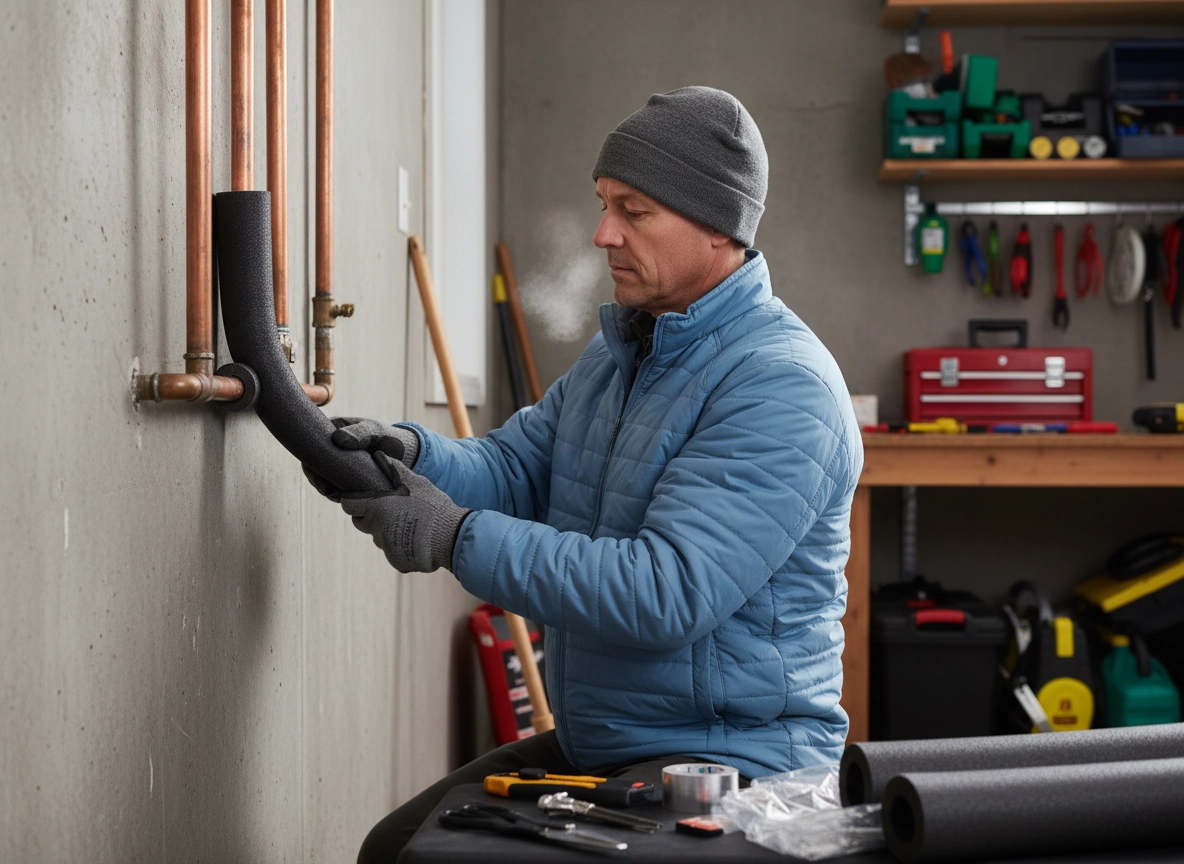
Before a Freeze: Essential Prevention Steps
The best way to deal with frozen pipes is to ensure they never freeze in the first place. Start by keeping your home’s thermostat set to at least 55 degrees, even if you’re away. Maintaining this baseline temperature helps ensure warm air circulates through areas where pipes are vulnerable, such as basements, crawl spaces, garages, and under sinks.
Next, make sure your pipes are properly insulated. Foam pipe sleeves, heat tape, and additional insulation around exterior walls can go a long way toward preventing freezing. If you’re unsure where your home may be at risk, our team can perform an inspection and recommend upgrades to strengthen your plumbing system before cold weather intensifies.
Another powerful preventive tool is a smart shutoff valve. These devices automatically detect leaks or unexpected pressure changes and shut off the water supply before significant damage occurs. We install smart shutoff valves that offer real-time alerts, remote monitoring, and peace of mind that your home is protected—even when you’re not there.
During a Freeze: How to Minimize Damage
If temperatures drop suddenly or you suspect a pipe may freeze, there are steps you can take to lessen the risk. Start by turning on faucets to a slow drip. Moving water is less likely to freeze, and the pressure relief can prevent a pipe from bursting. Open cabinet doors under sinks to allow warm air to circulate around exposed pipes.
If a pipe is already frozen but not yet burst, you may attempt to thaw it carefully using a space heater nearby to gently raise the temperature of the surrounding area. Never use an open flame or raise the temperature suddenly. If you can’t locate the freeze or feel unsure, call our team right away. Acting quickly can prevent a crack or rupture that leads to serious water damage.
After a Freeze: Steps for Recovery and Repair
If a pipe bursts, shut off your home’s main water supply immediately to stop the flow of water. Then, reach out to our 24-hour emergency plumbing services. We’re ready around the clock to assess the damage, make repairs, and get your water flowing safely again.
Once the immediate issue is addressed, consider long-term prevention measures. Adding insulation, sealing drafts, and installing a smart shutoff valve will help protect your plumbing system in the future. With proper preparation and our dependable support, you can face winter’s coldest days with confidence.
At Dalton Plumbing, Heating, Cooling, Electric and Fireplaces, Inc., your comfort is our promise! Contact us today for help with frozen pipes in Cedar Falls, IA.