

When winter loosens its grip and temperatures rise, many homeowners breathe a sigh of relief—especially after dealing with frozen pipes in Cedar Falls, IA. But the thaw can bring hidden problems to the surface. Pipes that froze, even briefly, may have developed cracks, weakened joints, or slow leaks that don’t show up right away. Knowing what to watch for now can help you avoid major water damage later.
Why Thawing Pipes Can Be a Problem
When water freezes inside a pipe, it expands, putting intense pressure on the pipe walls. Even if the pipe didn’t burst outright, that pressure can cause hairline fractures or stress fittings and valves. Once the ice melts and water begins flowing again, those weak spots may start leaking—or fail suddenly days or weeks later. That’s why early spring is a critical time to stay alert.
Unusual Water Pressure or Flow Changes
One of the first warning signs homeowners notice is a change in water pressure. If faucets sputter, flow seems weaker than normal, or pressure varies from room to room, it could point to a partially cracked pipe or an obstruction caused by shifting debris. These symptoms are easy to overlook, but they’re often the earliest clues that something isn’t right inside your plumbing system.
Visible and Audible Clues Inside Your Home
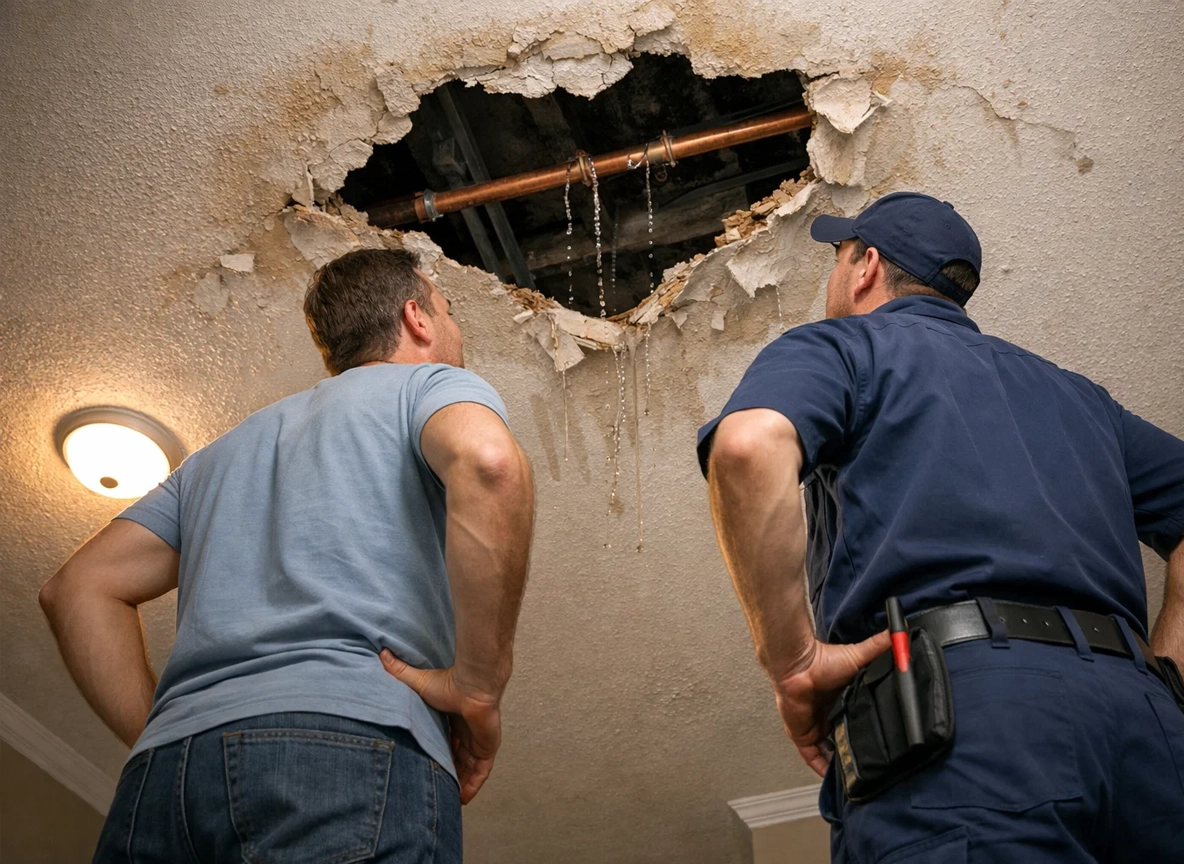
Pay close attention to what you can see and hear. Water stains on ceilings or walls, bubbling paint, warped flooring, or damp spots near baseboards can all signal a hidden leak. You may also hear dripping, hissing, or running water when no fixtures are in use. Even a faint sound behind a wall is worth investigating before it turns into a costly repair.
Rising Water Bills and Hidden Leaks
If your water bill suddenly increases without a change in usage, a post-freeze leak could be the culprit. Small cracks can leak continuously, wasting water around the clock while remaining out of sight. Professional leak detection can pinpoint the source quickly, preventing further damage to walls, insulation, and structural components.
Outdoor and Basement Warning Signs
Don’t forget to check less-used areas. Basements, crawl spaces, garages, and exterior hose bibs are common locations for freeze-related damage. Look for corrosion, moisture, or puddling near pipes. Outside, soggy soil near the foundation or unexplained ice melt patterns during late winter can also indicate an underground leak.
Why a Professional Inspection Matters
While homeowners can spot some red flags, many freeze-related issues stay hidden behind walls or under floors. A professional plumbing inspection uses specialized tools to assess pipe integrity, test pressure, and detect leaks you can’t see. Catching problems early often means simpler repairs instead of emergency calls and extensive water restoration.
Don’t Wait for a Bigger Problem
If your home experienced freezing temperatures this winter, now is the time to act. Reaching out to our experienced plumbing team for inspection, leak detection, or preventative repairs can save you stress and money. Addressing small issues today helps ensure your plumbing system stays reliable long after the snow has melted.
At Dalton Plumbing, Heating, Cooling, Electric and Fireplaces, Inc., your comfort is our promise! Contact us today for help with your plumbing leaks or frozen pipes in Cedar Falls, IA.