
Buying a new air conditioner is a big investment. Looking into it before warmer weather arrives gives you more time to compare your options, not just the upfront price, but also what the system may cost to operate month to month, the type of system you want, and the efficiency level that makes sense for your home. For a deeper look, check out this guide on air conditioner installation costs.
The average cost to install central air conditioning ranges from around $5,000 to $12,000, so it helps to plan ahead.
When you’re looking at system sizing, it’s important to think about the cooling capacity and cooling power your home needs. The right AC unit size depends on the square footage of your space, and the size of your home can directly affect the final installation price since larger homes typically need larger systems.
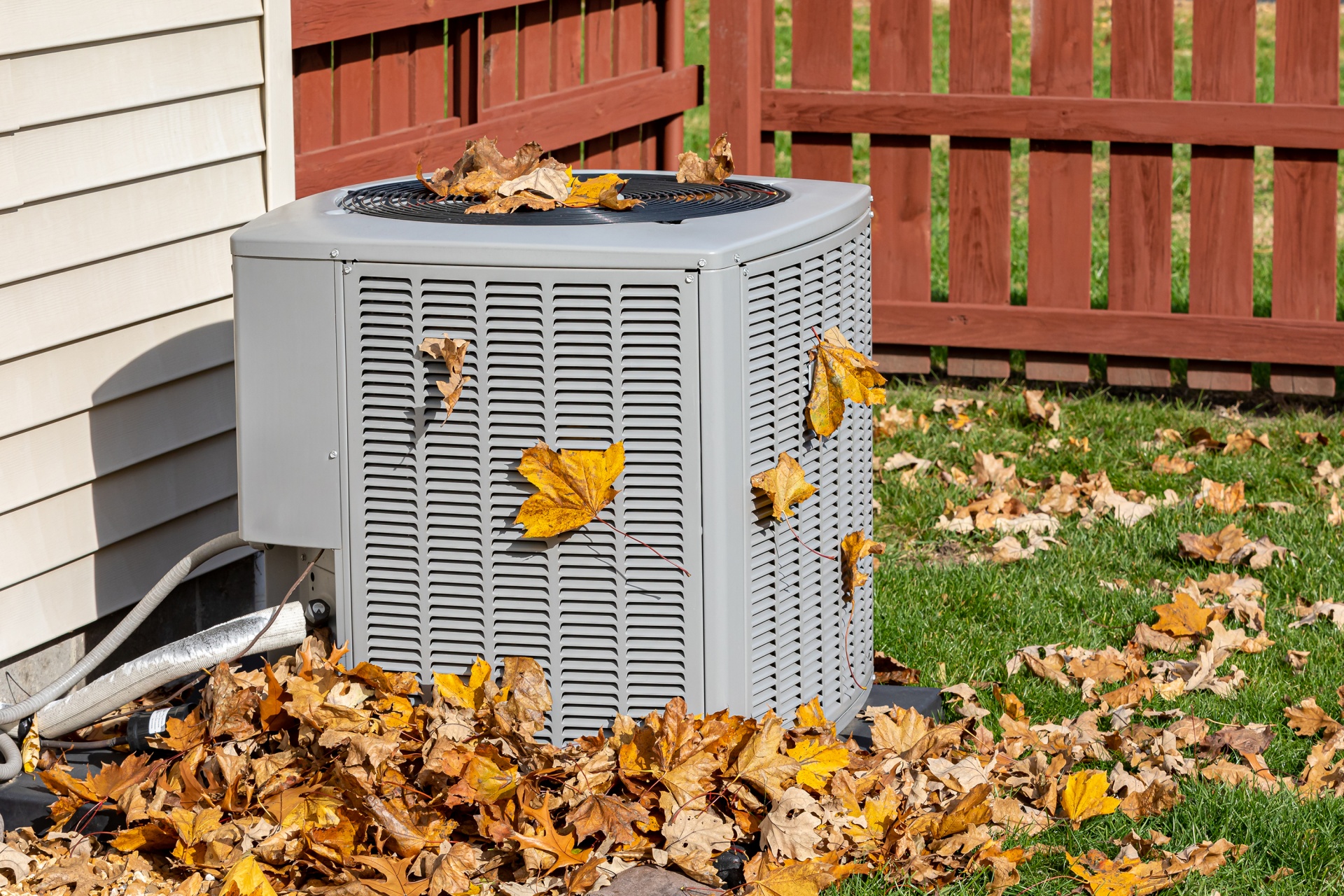
There are several types of cooling systems to consider. Window units can be a practical option for smaller spaces, while central systems and central air units are usually better suited for whole-home cooling. You can also look at air source heat pumps and geothermal heat pumps, which provide both heating and cooling and are known for strong efficiency.
If you’re considering a ductless system, a pre-installation evaluation should include a review of your existing ducts and refrigerant lines. Some modifications may be needed to support a new AC system. It’s also helpful to check for air leaks and evaluate how well your home holds heat so your new HVAC system can be sized properly and run efficiently.
A pre-installation evaluation can cost between $250 and $2,000, depending on the size of the home and the complexity of the energy audit.
During installation, adding a new AC unit or doing an AC replacement may also require electrical work, such as installing a dedicated circuit to support the new system. Financing options like a home equity loan or home equity line can help manage the average cost of a new AC system. Financing options for new AC installation may include home equity loans, HELOCs, personal loans, and cash-out refinances.
Choosing a high-efficiency system with a higher SEER rating can lower your energy bills over time, even if the upfront cost is higher. Regular maintenance and professional installation also matter if you want to avoid costly repairs and help your system run the way it should. Investing in yearly maintenance can help extend the life of your AC unit.
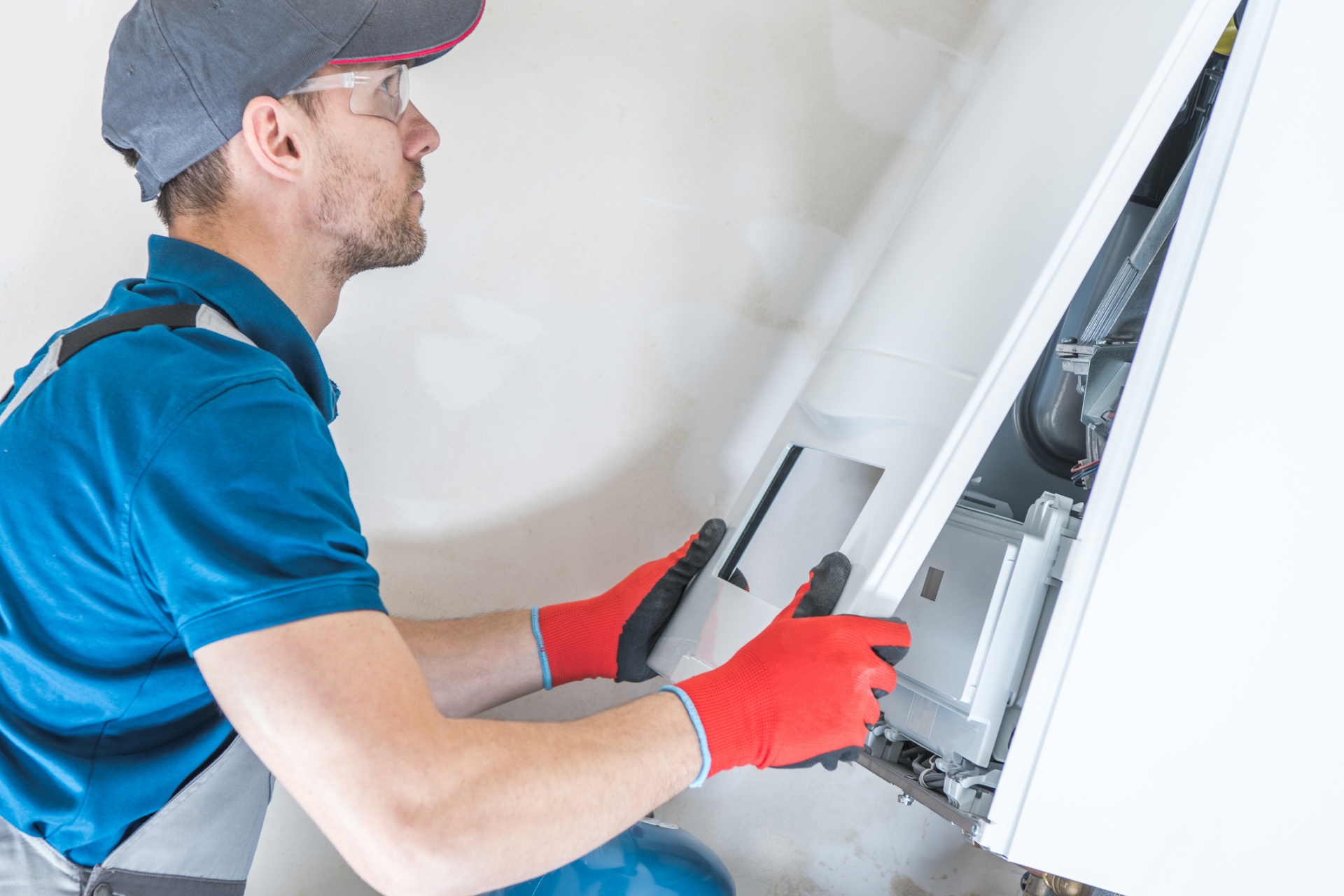
For this kind of work, it’s best to have a trained professional handle the installation. An experienced HVAC technician can match and size the right AC system for your home and your needs. A properly installed system is more likely to run efficiently and deliver consistent results throughout your home. Below, we’ll walk through the factors that affect AC installation cost.