

Winter puts extra strain on nearly every system in your home, and your electrical panel is no exception. When temperatures drop, households rely more heavily on space heaters, electric blankets, holiday lighting, and other power-hungry devices.
For many homeowners with an aging or undersized electrical panel in Cedar Rapids, IA, this seasonal spike in demand can reveal hidden problems—and sometimes lead to sudden failures that feel like they came out of nowhere.
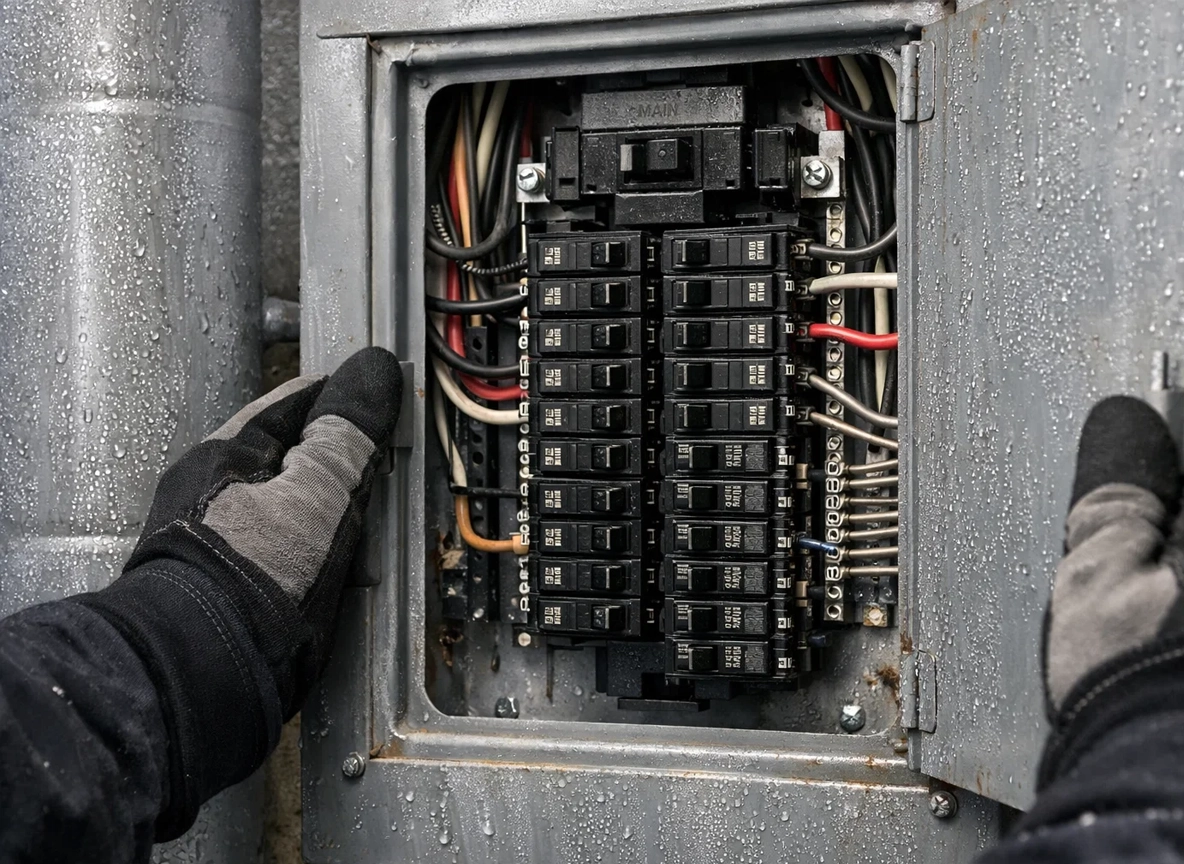
Cold Stress on Electrical Components
Electrical panels are designed to handle a certain range of conditions, but extreme cold can still take a toll. Low temperatures cause metal components inside the panel to contract, which can loosen connections over time. Loose connections create resistance, and resistance creates heat—an unsafe combination that can lead to flickering lights, tripped breakers, or even damage to the panel itself.
Winter also brings moisture concerns, as condensation can form when cold air meets warmer indoor air. This moisture is very problematic because it increases the risk of corrosion inside the panel.
Overloaded Circuits During Winter Months
Winter is prime time for overloaded circuits. Portable heaters, heated floors, extra cooking for the holidays, and people simply spending more time indoors all add to your home’s electrical load. If your panel was installed decades ago, it may not be equipped to handle the way modern households use electricity.
Breakers that trip repeatedly, buzzing sounds from the panel, or outlets that feel warm are all signs that circuits are being pushed beyond their limits. Ignoring these warnings can result in more serious electrical issues or even fire hazards.
Aging Panels and Outdated Technology
Many homes still rely on panels that were never designed for today’s electrical demands. Older panels may lack sufficient amperage, have worn breakers, or use outdated components that are more prone to failure in winter conditions. Some older panel types are known for poor performance or safety concerns and should be replaced proactively rather than after a breakdown. Winter often exposes these weaknesses because the system is under near-constant load.
How to Reduce the Risk of Winter Panel Problems
There are several steps homeowners can take to protect their electrical system during winter. Avoid plugging multiple high-wattage devices into the same circuit, and limit the use of extension cords as permanent solutions. Pay attention to warning signs like frequent breaker trips or dimming lights. Keeping the area around your panel dry and accessible also helps ensure it can be inspected quickly if an issue arises.
When an Upgrade Makes Sense
If your panel struggles to keep up, an upgrade may be the safest and most cost-effective solution. A modern electrical panel provides better protection, improved efficiency, and the capacity to support today’s appliances and future additions. Our team of top-notch electricians can assess your current setup, identify risks, and recommend the right upgrades to keep your home running smoothly.
Winter doesn’t have to mean electrical headaches. With a professional evaluation and the right preventative steps, your panel can stay functional—and safe—no matter how cold it gets.
At Dalton Plumbing, Heating, Cooling, Electric and Fireplaces, Inc., your comfort is our promise! To set up an appointment in the Cedar Rapids area, give us a call at the number above, email customerservice@daltonphc.com or schedule an appointment online.