

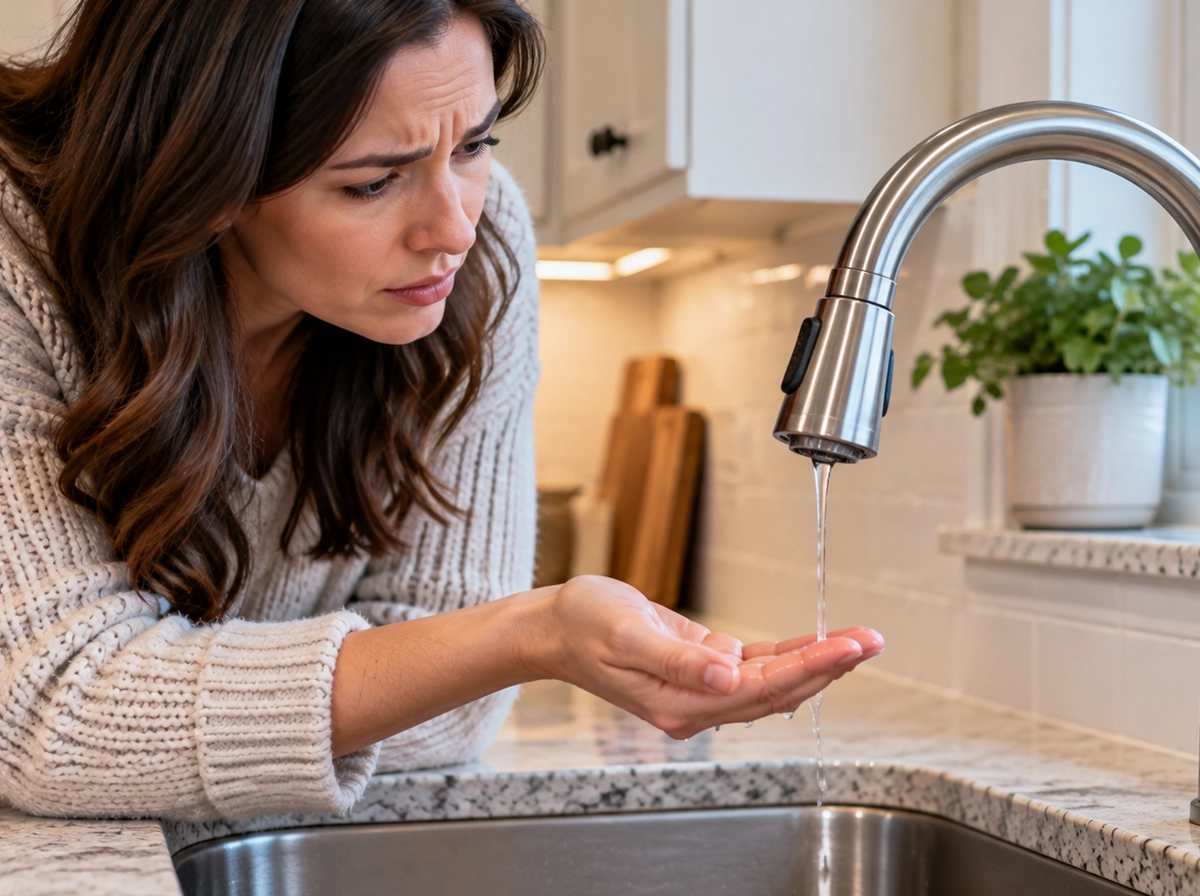
When you turn on the kitchen faucet to wash dishes, rinse vegetables, or fill a pot, you expect a steady stream of water. If the flow has weakened or suddenly changed, something may be interfering with your plumbing. Understanding common causes of low water pressure can help you determine when professional kitchen plumbing in Des Moines, IA may be needed to restore your faucet’s performance.
Mineral Buildup in the Faucet Aerator
One of the most common reasons for reduced water pressure is a clogged aerator. This small screen at the end of the faucet mixes air into the water stream while helping control its flow. Over time, minerals from hard water and other debris can accumulate inside the screen, restricting the amount of water that passes through.
If you feel comfortable doing so, unscrew the aerator and inspect it for visible buildup. You may be able to clean it by soaking it in white vinegar and gently brushing away deposits. If the water pressure improves afterward, a clogged aerator was likely the culprit.
A Clogged Cartridge or Faucet Components
Even if the aerator is clean, mineral deposits or sediment may have accumulated inside the faucet itself. Many modern faucets use a cartridge to regulate water flow and temperature. When this component becomes clogged or worn, you may notice reduced pressure, difficulty adjusting the temperature, or inconsistent flow.
Cleaning or replacing internal faucet components can sometimes resolve the problem. However, disassembling certain faucets can be complicated, and incorrect installation may cause leaks. Our plumbing experts can identify the problem and recommend the appropriate repair.
Problems With the Supply Lines
Flexible supply lines connect your kitchen faucet to the hot and cold water pipes beneath the sink. If one of these lines becomes kinked, obstructed, or damaged, it may restrict water flow. Partially closed shutoff valves can also reduce pressure reaching the faucet.
Check beneath the sink for visibly kinked hoses or valves that appear not to be fully open. Avoid forcing a stiff valve, since older plumbing components can break or begin leaking when handled improperly. If you find damage or cannot determine whether the supply lines are functioning correctly, contact a plumbing professional.
Plumbing Leaks or Pipe Corrosion
A hidden leak can interfere with water delivery and potentially damage cabinets, flooring, and surrounding materials. Older metal pipes may also develop corrosion or mineral deposits that gradually narrow the passage available for water.
Look for damp spots beneath the sink, unexplained puddles, or signs of water damage. If you suspect a leak, arrange a professional inspection promptly rather than assuming the faucet itself is responsible.
Restore Your Kitchen Faucet’s Flow
Low water pressure can stem from a simple clogged aerator or a more complicated plumbing issue. If cleaning the aerator doesn’t help, the problem keeps returning, or you notice leaks, unusual noises, or discolored water, reach out to our team of plumbing experts. We’ll investigate the cause, explain your options, and help restore proper water flow so you can get back to your kitchen routine.
At Dalton Plumbing, Heating, Cooling, Electric and Fireplaces, Inc., your comfort is our promise! Contact us today for help with your kitchen plumbing in Des Moines, IA!