

February can feel like the home stretch of winter, but for your heating system, it’s often the most demanding time of the year. After months of nonstop operation, furnaces are under significant strain, which is why calls for furnace repair in Cedar Falls, IA tend to spike late in the season. Understanding why these breakdowns happen—and knowing what warning signs to watch for—can help you avoid a sudden loss of heat when you need it most.
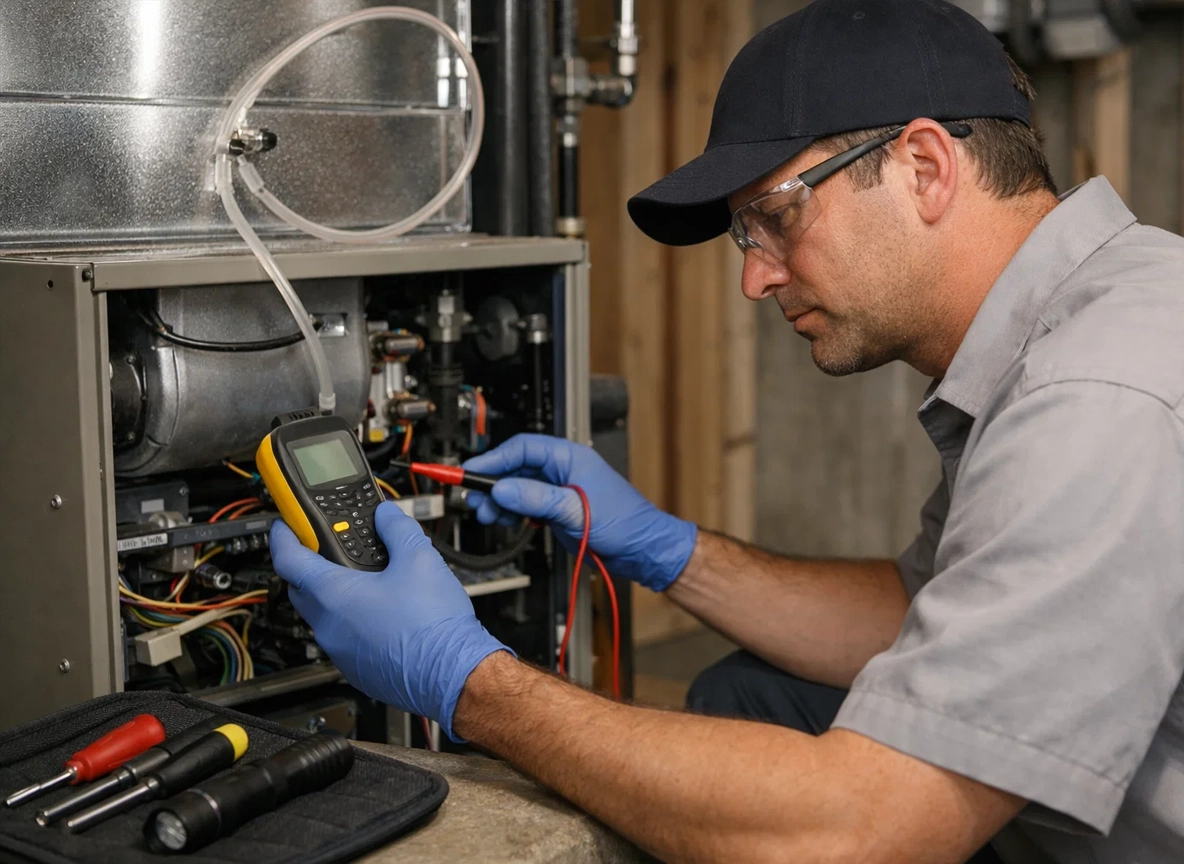
Why Late Winter Is Tough on Your Furnace
By February, your furnace has likely been running for weeks or even months with very little downtime. This constant workload causes natural wear and tear on key components like the blower motor, heat exchanger, igniter, and belts. Parts that were already aging or slightly worn at the start of winter may finally reach their breaking point after prolonged use.
Another factor is airflow restriction. Over time, dirty air filters, dust buildup, or blocked vents force your furnace to work harder to push warm air through your home. That extra effort increases stress on the system, raises energy consumption, and accelerates component failure—especially toward the end of the season.
Temperature Swings and System Stress
Late winter often brings unpredictable temperature changes. One day may be mild, while the next brings a deep freeze. These rapid swings cause your furnace to cycle on and off more frequently, putting added strain on electrical components and controls. Frequent cycling can lead to overheating, short cycling, or ignition problems that weren’t noticeable earlier in the winter.
Colder nights can also expose existing weaknesses. If your furnace was just barely keeping up during moderate cold, it may struggle—or fail entirely—when temperatures drop sharply.
Warning Signs You Shouldn’t Ignore
Your furnace usually gives hints before a full breakdown occurs. Unusual noises such as banging, rattling, squealing, or grinding often signal loose or failing parts. Uneven heating, where some rooms feel much colder than others, can indicate airflow problems or a struggling blower motor.
Rising energy bills are another red flag. If your heating costs jump unexpectedly, your furnace may be losing efficiency due to worn components or restricted airflow. You should also pay attention to frequent cycling, weak airflow from vents, or a furnace that runs constantly without reaching your set temperature.
Why Prompt Repairs Matter
Ignoring small problems in February can quickly lead to bigger, more expensive failures. A minor fix today could prevent a complete system shutdown tomorrow—especially during a cold snap. Prompt repairs not only restore comfort but also protect your furnace from additional damage and help extend its overall lifespan.
If you notice anything unusual with your heating system, don’t wait for it to get worse. Reach out to our experienced team right away. We’re here to diagnose the issue, make reliable repairs, and help keep your home warm and comfortable through the rest of winter and beyond.
At Dalton Plumbing, Heating, Cooling, Electric and Fireplaces, Inc., your comfort is our promise! Contact us today for help with furnace repair in Cedar Falls, IA.