

Iowa winters are known for long stretches of freezing temperatures, biting wind, and heavy heating demands. Homeowners researching a heat pump in Cedar Falls, IA often ask whether a modern air-source heat pump can truly keep up—or if a geothermal system is the smarter cold-climate choice. Both technologies are efficient, proven, and increasingly popular, but they operate differently and address different priorities.
How Air-Source Heat Pumps Handle Cold Weather
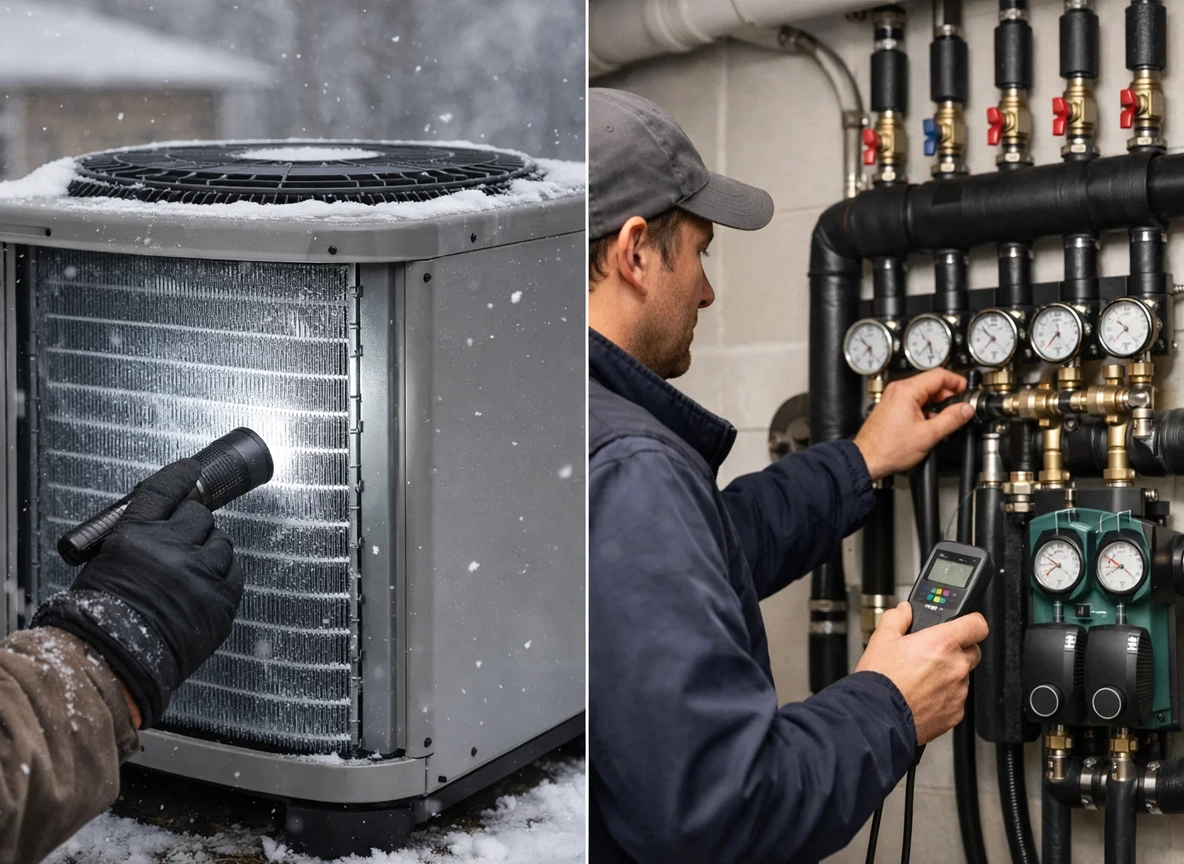
Today’s cold-climate, air-source heat pumps are a major leap forward from older models. They extract heat from outdoor air—even when it’s well below freezing—and move it indoors using advanced compressors and refrigerants. In Iowa winters, many systems maintain strong performance down to sub-zero temperatures, especially when properly sized and installed.
Homeowners often appreciate air-source heat pumps because they can replace or supplement existing HVAC equipment with minimal disruption. Installation costs are typically lower than geothermal, and many systems qualify for utility rebates or tax incentives. They also provide efficient cooling in summer, making them an all-in-one comfort solution.
The Geothermal Advantage Beneath the Surface
Geothermal heat pumps work differently by tapping into the steady temperatures found several feet beneath the ground. While air temperatures fluctuate wildly during Iowa winters, ground temperatures remain relatively constant. This allows geothermal systems to deliver very consistent heating efficiency, even during the coldest snaps.
Because of this stability, geothermal systems often boast excellent energy savings over time and reduced strain during extreme weather. They’re also quiet, long-lasting, and protected from outdoor elements. For homeowners planning to stay put for many years, geothermal can be an appealing long-term investment.
Installation, Space, and Home Considerations
Choosing between air-source and geothermal often comes down to your property and goals. Air-source heat pumps are faster and easier to install, making them attractive for existing homes or tighter budgets. Geothermal systems require space for ground loops—either horizontal or vertical—which can affect feasibility depending on lot size, soil conditions, and local regulations.
Upfront cost is another key factor. While geothermal systems typically cost more initially, their operating efficiency can offset that over time. Air-source heat pumps, on the other hand, offer a lower upfront cost and impressive performance for many households.
Comfort, Efficiency, and Personal Priorities
Some homeowners prioritize the absolute consistency that geothermal provides during extreme cold. Others value the flexibility, lower upfront cost, and rapid installation of air-source heat pumps. Both systems can significantly reduce reliance on fossil fuels and deliver cleaner, more efficient comfort compared to traditional heating methods.
Let Our Experts Help You Decide
There’s no one-size-fits-all answer when it comes to Iowa winter heating. The best system depends on your home’s layout, insulation, energy goals, and long-term plans. Our experienced team can evaluate your property, explain your options clearly, and help you choose the system that fits your needs—so you stay warm, comfortable, and confident all winter long.
At Dalton Plumbing, Heating, Cooling, Electric and Fireplaces, Inc., your comfort is our promise! Contact us today for help with your geothermal system or heat pump in Cedar Falls, IA.