

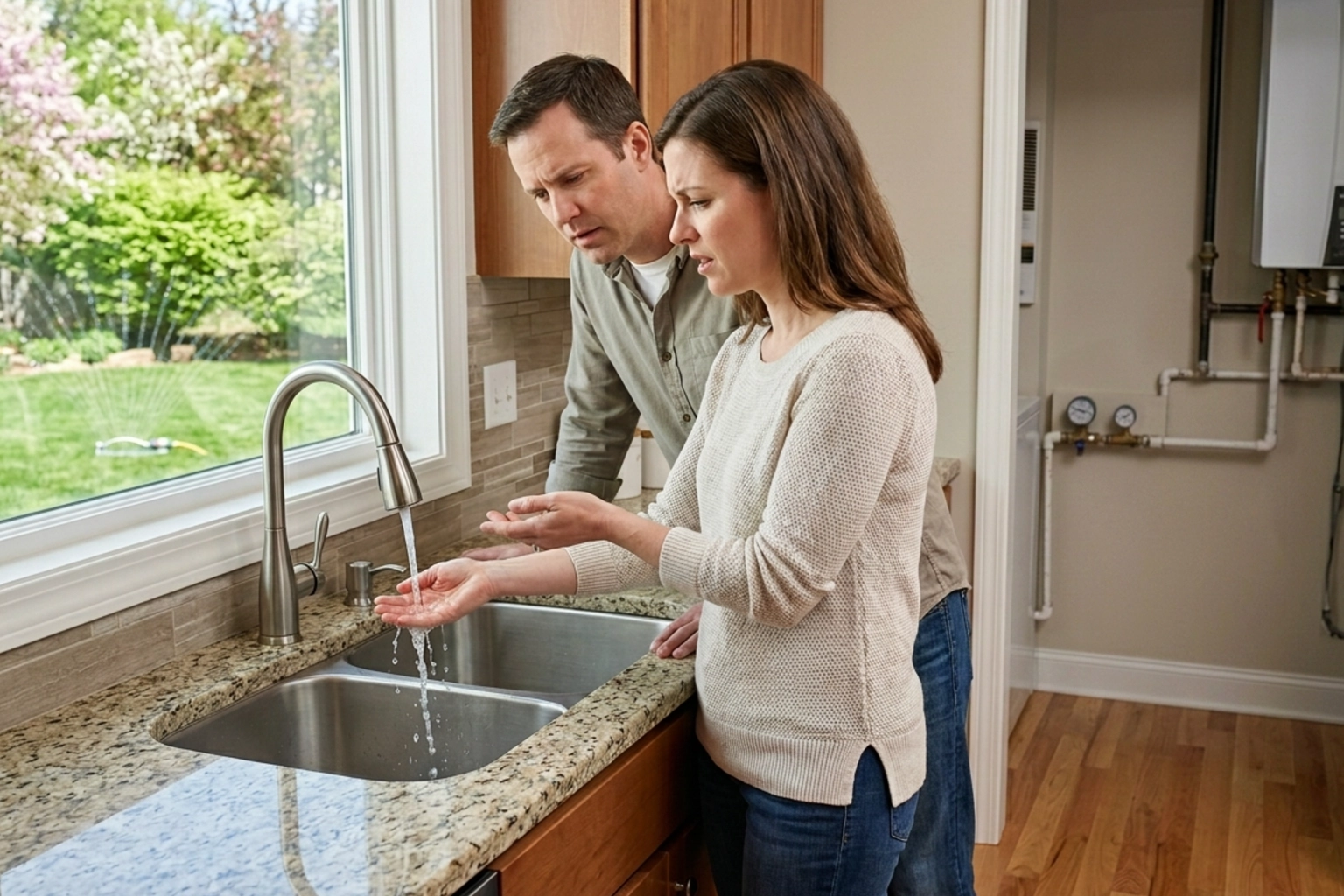
As temperatures rise, many homeowners begin to notice changes in their plumbing systems—especially when it comes to water pressure. If you’ve experienced a sudden drop in water pressure in Des Moines, IA, you’re not alone. Seasonal shifts can put extra strain on municipal water systems and your home’s plumbing, leading to frustratingly weak flow from faucets and showerheads. Understanding the causes can help you take the right steps toward a solution.
Increased Water Demand in Spring and Summer
One of the most common reasons for lower water pressure during warmer weather is increased demand. As people begin watering lawns, filling pools, and washing cars more frequently, municipal water supplies are put under a heavier load. This increased usage can reduce the overall pressure available to individual homes, especially during peak times like early mornings and evenings.
Hidden Leaks and Pipe Expansion
Warmer weather can also reveal issues that developed during the winter. Pipes may expand slightly as temperatures rise, potentially worsening small cracks or loose connections that formed during freezing conditions. Even minor plumbing leaks can reduce water pressure throughout your home. Because these leaks are often hidden behind walls or underground, they can go unnoticed until pressure drops significantly.
Sediment Buildup in Pipes
Another culprit behind seasonal water pressure issues is sediment buildup. Minerals and debris can accumulate in your pipes over time, especially if your home has hard water. During colder months, reduced water usage may allow sediment to settle. When usage increases again in the spring and summer, that buildup can restrict water flow and reduce pressure at your fixtures.
Issues with Pressure Regulators
If your home is equipped with a pressure regulator, it could be contributing to the problem. These devices are designed to maintain consistent water pressure, but they can wear out or malfunction over time. Warmer weather doesn’t directly cause regulator failure, but increased system demand can make existing issues more noticeable. A faulty regulator may need adjustment or replacement to restore proper pressure.
Outdoor Plumbing and Irrigation Systems
Spring often means turning outdoor plumbing systems back on after winter. Sprinkler systems, hose bibs, and irrigation lines can all affect your home’s water pressure. If there are leaks, clogs, or improper connections in these systems, they may draw water away from your indoor plumbing and reduce overall pressure. It’s important to ensure all outdoor components are in good working order.
When to Call a Professional Plumber
While some causes of low water pressure are temporary or seasonal, others require professional attention. Persistent pressure issues, sudden drops, or signs of leaks should never be ignored. Our expert team of licensed plumbers has the tools and experience to diagnose the exact cause of your water pressure problems.
By identifying and resolving the root cause, we can restore your home’s water pressure and ensure your plumbing system operates efficiently year-round.
At Dalton Plumbing, Heating, Cooling, Electric and Fireplaces, Inc., your comfort is our promise! Contact us today with any questions about water pressure in Des Moines, IA!