

Winter brings cozy nights indoors—but it can also bring unpleasant surprises, like a strong sewer smell inside your home. If you’ve noticed foul odors lingering in colder months, you’re not alone. Many homeowners end up calling a plumber in Des Moines when winter weather exposes hidden plumbing problems. Ignoring these smells isn’t just uncomfortable—it can pose real health and safety risks if left unresolved.
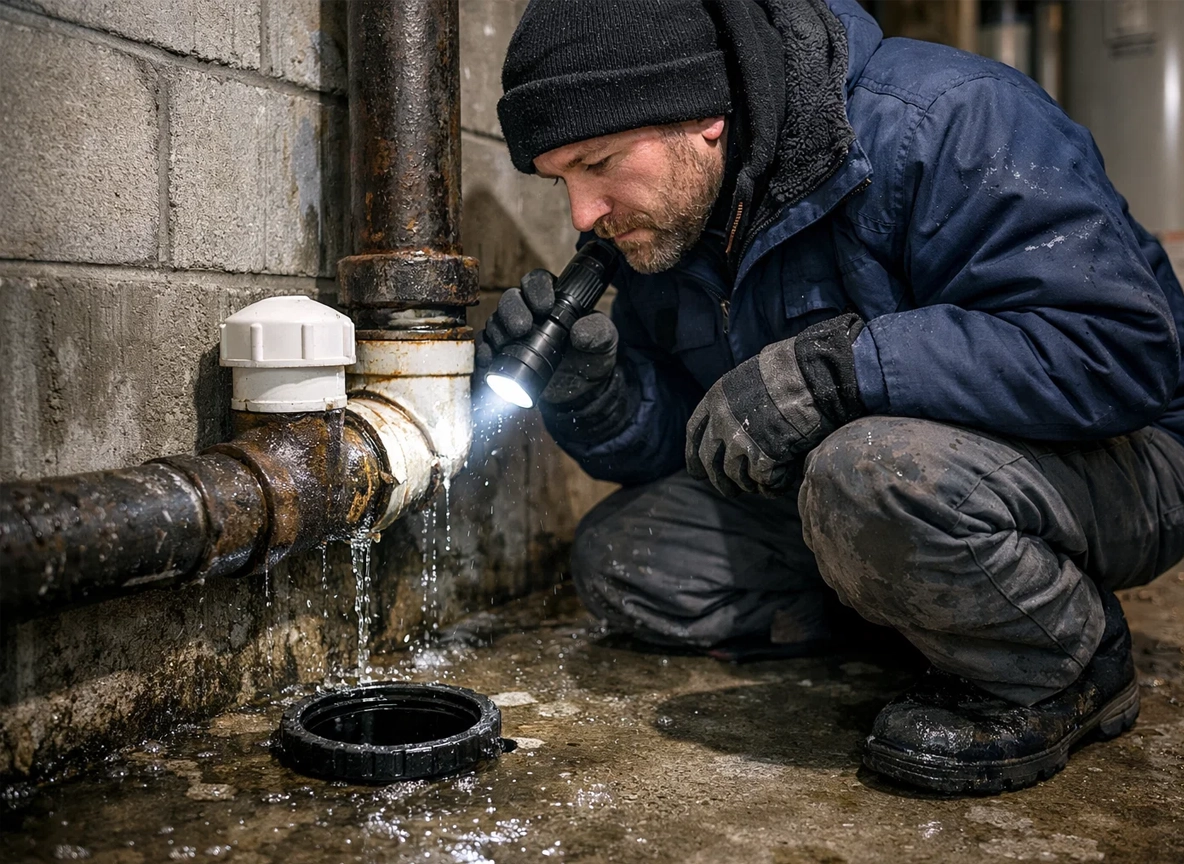
Why Sewer Smells Are More Common in Winter
Cold temperatures change how your plumbing system behaves. When pipes contract, water usage patterns shift, and ventilation is reduced because windows stay closed, sewer odors become more noticeable. Winter conditions can also worsen existing plumbing issues that may have gone undetected during warmer months. What might seem like a minor smell can quickly escalate into a serious hazard if the root cause isn’t addressed.
Dry or Frozen Drain Traps
One of the most common causes of sewer smells is a dry drain trap. The curved section of pipe under sinks, floor drains, and tubs is designed to hold water, preventing sewer gases from entering your home. In winter, less-used drains can dry out, or traps can partially freeze, breaking that protective seal. Once sewer gases escape, they can spread quickly throughout your living space.
Cracked or Damaged Sewer Lines
Freezing and thawing cycles put stress on underground sewer lines. Over time, this can cause cracks or separations that allow sewer gas to seep into your home. These gases may contain methane and hydrogen sulfide, which are not only unpleasant but potentially dangerous. Prolonged exposure can cause headaches, nausea, dizziness, and respiratory irritation—especially concerning for children and older adults.
Blocked or Improper Venting
Your plumbing system relies on vent pipes to safely release sewer gases outside. Snow, ice, or debris can block these vents in winter, forcing odors back into your home. Improper venting can also disrupt water flow, increasing the risk of backups and leaks. These issues often require professional inspection, as vent problems are rarely visible from inside the home.
Health and Safety Risks You Shouldn’t Ignore
Sewer smells are more than a nuisance. Sewer gas exposure can affect indoor air quality and aggravate asthma or other respiratory conditions. Moisture from leaks associated with sewer issues can also encourage mold growth, creating additional health hazards and costly repairs.
Why Professional Help Is Essential
While pouring water down a drain might offer temporary relief, it doesn’t solve underlying problems. Sewer odors often signal deeper issues that require expert diagnosis and repair. Having one of our experienced plumbers inspect your system ensures the true cause is identified and fixed the first time correctly.
Act Before It Becomes a Serious Hazard
If your home smells like a sewer this winter, don’t wait. What starts as an odor can quickly turn into a major plumbing emergency. Contact our expert plumbing team right away to address the problem before it causes lasting damage or puts your household at risk. A safe, healthy home starts with a properly functioning plumbing system—especially in winter.
At Dalton Plumbing, Heating, Cooling, Electric and Fireplaces, Inc., your comfort is our promise! Contact us today for plumbing services in Des Moines, IA!