

Spring in the Midwest can be unpredictable, bringing heavy rain, high winds, and sudden power outages. If your home relies on a standby system like a whole house generator in Des Moines, now is the ideal time to make sure it’s ready before storm season ramps up. A little preparation in late winter or early spring can help ensure your generator performs as expected when the power goes out.
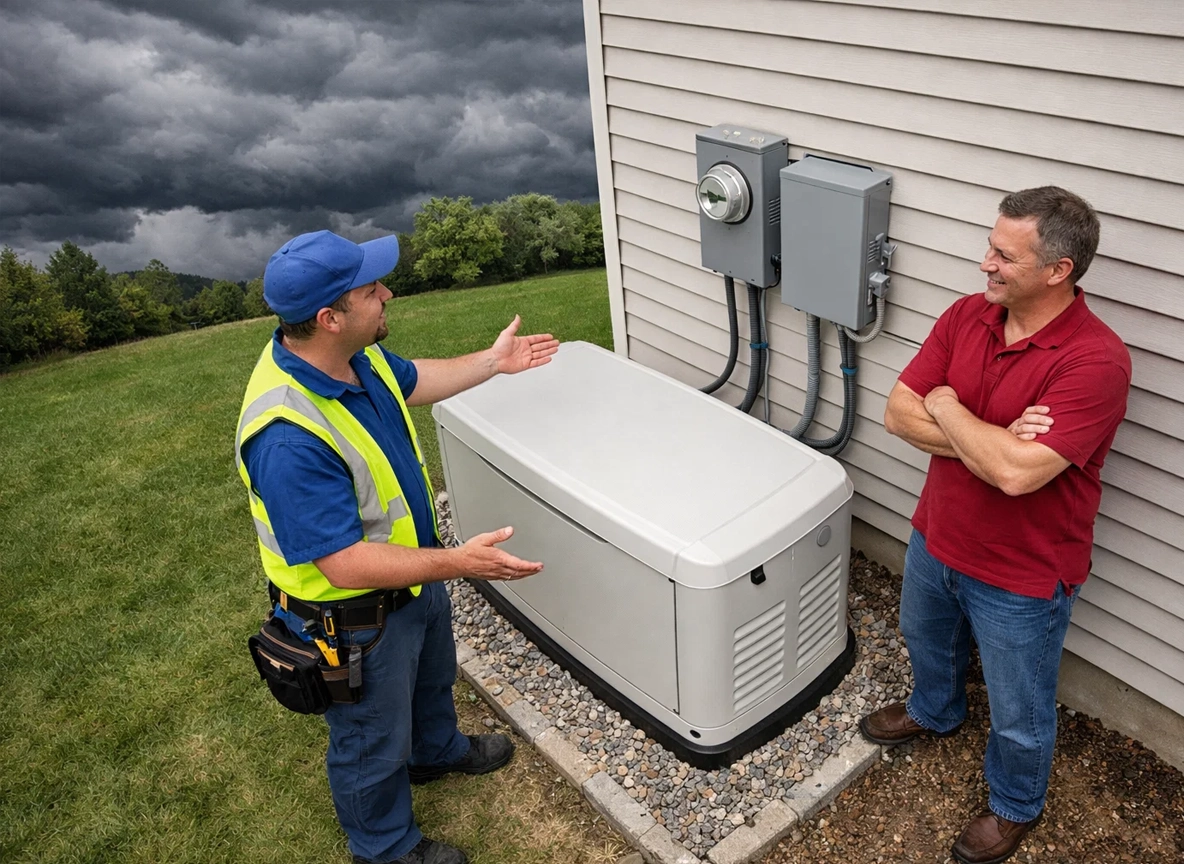
Why Spring Generator Prep Matters
Spring storms often arrive with little warning, and power outages can last hours—or even days. Your generator is meant to provide peace of mind, but only if it’s in proper working order. Cold-weather wear, infrequent use, or skipped maintenance over the winter can all lead to problems that don’t show up until the system is under load. Addressing issues now reduces the risk of unexpected failures later.
Simple, Safe Checks Homeowners Can Do
There are several basic checks homeowners can safely perform.
- Start with a visual inspection of the generator and the surrounding area.
- Ensure the unit is free of leaves, debris, or overgrown vegetation that could block airflow.
- Check that vents and intake areas are unobstructed.
Inside the home, review the generator’s control panel for warning lights or error messages and ensure the system is set to “auto” so it starts automatically during an outage.
Test Runs and Battery Awareness
Most standby generators should be tested regularly. If your system allows homeowner-initiated testing, run a short test cycle to confirm it starts smoothly and runs without unusual noises or vibrations. Pay close attention to the battery, as weak or aging batteries are one of the most common causes of generator failure. If the unit struggles to start or shows battery-related alerts, it’s time to call in a professional.
Warning Signs You Shouldn’t Ignore
Certain issues should never be brushed aside. Fuel odors, fluid leaks, corrosion, loose wiring, or warning codes are all signs of concern. Unusual sounds, excessive vibration, or failure to transfer power properly during a test run also indicate that professional service is needed. Ignoring these symptoms can turn a small fix into a major repair—or a nonfunctional generator when you need it most.
When to Call Our Expert Team
While basic checks are helpful, full maintenance and diagnostics should always be handled by trained professionals. Our expert team can perform comprehensive inspections, load testing, oil and filter changes, and software updates to ensure your system is storm-ready. If you notice any of the warning signs above, reaching out sooner rather than later can help prevent costly downtime.
Still Using a Portable Generator? Consider an Upgrade
If you’re still relying on a portable generator, spring is a great time to explore more reliable options. Portable units require manual setup, refueling, and extension cords—often during severe weather. Our team would be delighted to help you explore whole-house generator solutions that provide automatic, seamless backup power and greater safety, comfort, and convenience for your home.
At Dalton Plumbing, Heating, Cooling, Electric and Fireplaces, Inc., your comfort is our promise! Contact us today to learn more about a whole house generator in Des Moines, IA!