

When winter approaches, protecting your plumbing should be part of your seasonal home maintenance routine. Freezing temperatures can cause water inside pipes to expand, potentially leading to cracked pipes, water damage, and expensive repairs. Fortunately, a few preventative steps can help you avoid the headaches associated with frozen pipes in Cedar Falls, IA. By preparing your home before the first hard freeze, you can help keep your plumbing flowing throughout the coldest months.
Insulate Vulnerable Pipes
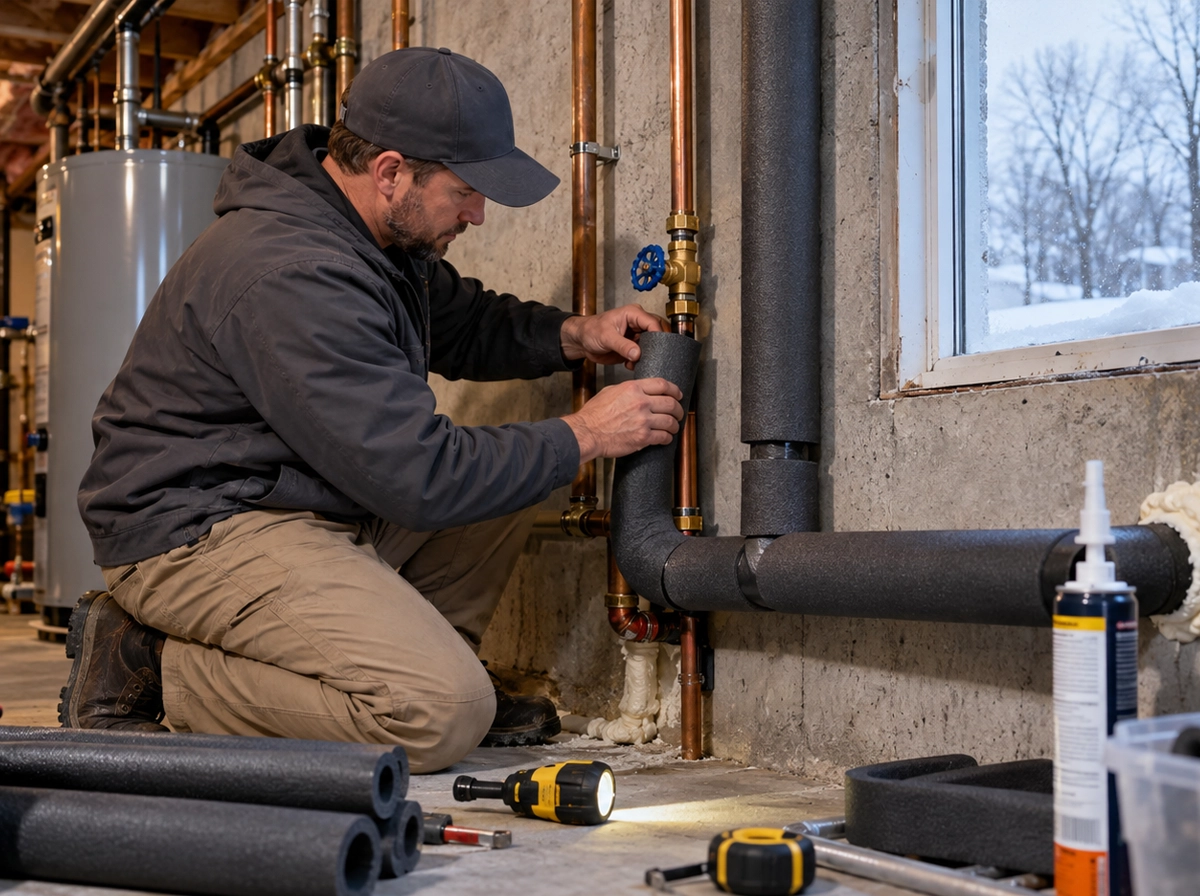
Pipes located in unheated or poorly insulated areas are particularly vulnerable to freezing. Check your basement, crawl space, attic, garage, and exterior walls for exposed plumbing. Add foam pipe insulation or other appropriate insulating materials to help protect these vulnerable sections from cold air.
Disconnect and Drain Outdoor Hoses
Before freezing weather arrives, disconnect garden hoses from outdoor faucets. Leaving a hose attached can trap water and increase the risk of freezing and damage to the faucet or connected plumbing. Drain the hoses and store them somewhere protected.
If your home has shutoff valves for outdoor faucets, close them and drain the remaining water from the lines according to the fixture’s design. Consider installing frost-resistant outdoor faucets if your existing fixtures are especially vulnerable.
Keep Your Home Warm
Maintain a reasonably consistent indoor temperature during cold weather, even when you’re away from home. Turning the heat off entirely to save energy can put plumbing at risk when outdoor temperatures plummet. If you plan to travel, leave the thermostat set to a temperature that helps protect your home’s plumbing, never lower than 55 degrees.
During particularly cold nights, open cabinet doors beneath kitchen and bathroom sinks, especially when those fixtures are located against exterior walls. This allows warmer indoor air to circulate around the pipes. Keep garage doors closed when plumbing runs through the garage.
Protect Pipes During Extreme Cold
When temperatures fall well below freezing, take extra precautions with plumbing in vulnerable locations. Allowing a very small trickle of water to flow from a faucet may help reduce freezing risk in particularly exposed pipes. However, this should supplement insulation and adequate heating, not replace them.
Know where your main water shutoff valve is located, too. If a pipe bursts, shutting off the water promptly can limit flooding and property damage while you arrange repairs.
Schedule Professional Plumbing Maintenance
Some plumbing vulnerabilities aren’t easy to identify without professional help. Our team of plumbing experts can provide pre-winter plumbing maintenance to inspect exposed pipes, identify potential trouble spots, and recommend practical solutions before freezing weather arrives. Scheduling service early gives you time to address problems before winter conditions make repairs more difficult.
Get Help When You Need It
Even with careful preparation, extreme cold can sometimes catch homeowners off guard. If you suspect a frozen pipe, open the affected faucet and contact a professional plumber. Never use an open flame to thaw plumbing.
If a pipe bursts or another urgent plumbing problem develops, you can count on our team for 24/7 emergency service. Taking preventative action now and knowing help is available around the clock can give you greater peace of mind all winter long.