Today’s homes rely on more electricity than ever before, and many older systems weren’t designed to keep up. From smart devices and high-efficiency HVAC systems to kitchen appliances and home offices, the demand on your electrical system has grown significantly. If your home still has aging electrical wiring in Des Moines, IA, it’s time to take a closer look at whether your system can safely support your lifestyle.
Why Modern Electrical Demand Is So Much Higher
Decades ago, homes were built to handle a fraction of the electrical load we use today. A single television, a few lamps, and basic kitchen appliances were the norm. Now, multiple large appliances, computers, chargers, and entertainment systems often run simultaneously. Add in electric vehicles or upgraded HVAC equipment, and the strain increases even more.
Older wiring systems may not have the capacity to distribute electricity efficiently under these conditions. This can lead to overheating, tripped breakers, or even fire hazards if the system is pushed beyond its limits.
Common Signs Your Wiring May Be Outdated
There are several warning signs that your home’s wiring may be failing. Frequently tripped circuit breakers are one of the most common indicators. While occasional trips are normal, repeated issues suggest your system is overloaded.
Flickering or dimming lights—especially when appliances turn on—can also point to inadequate wiring. Warm or discolored outlets, buzzing sounds, or a persistent burning smell are more serious signs that should never be ignored.
If your home still uses two-prong outlets or lacks ground fault circuit interrupters (GFCIs) in areas like kitchens and bathrooms, your electrical system is likely outdated and not up to current safety standards.
The Risks of Ignoring Electrical Issues
Delaying electrical upgrades can lead to more than just inconvenience. Overloaded wiring increases the risk of electrical fires, which can cause significant property damage and endanger your family. Inconsistent power can also damage sensitive electronics and reduce the lifespan of your appliances.
Additionally, outdated systems may struggle to support new installations. If you’re planning a remodel, adding major appliances, or installing a home office, your existing wiring may not be sufficient without upgrades.
How an Electrician Can Help
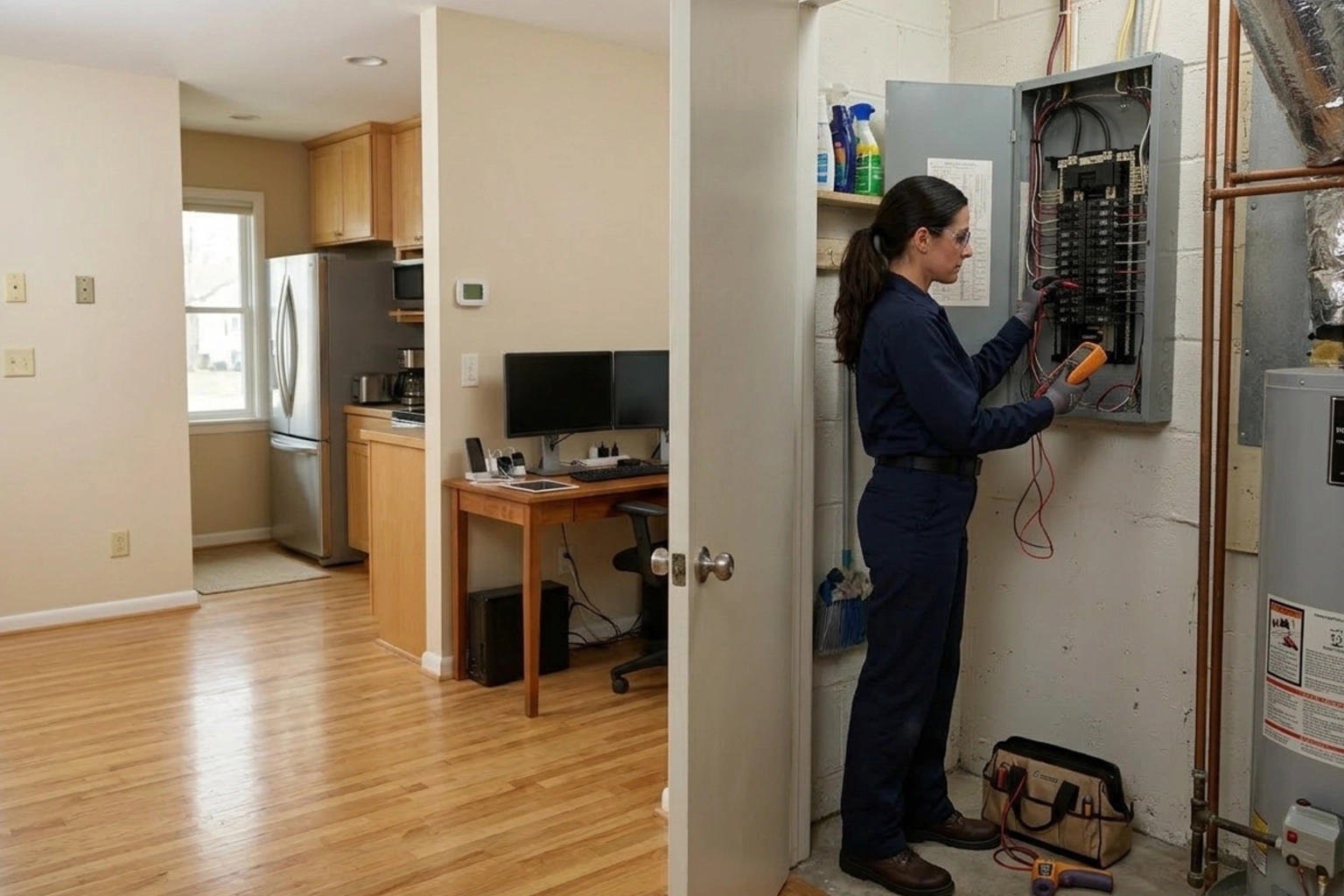
A professional electrician can assess your home’s electrical capacity and identify any problem areas. This may include inspecting your panel, evaluating circuit loads, and checking for outdated or damaged wiring.
In many cases, upgrading your electrical panel or adding dedicated circuits can significantly improve safety and performance. Replacing old wiring and installing modern safety features such as GFCIs and arc-fault circuit interrupters (AFCIs) can bring your system up to today’s standards.
Stay Ahead of Electrical Problems
As household technology evolves, it’s important to make sure your home can keep up. Paying attention to warning signs and understanding your system’s limitations can help you avoid costly and dangerous issues down the road.
If you’ve noticed any of these red flags or simply aren’t sure whether your wiring is up to date, it’s time to call in our expert team. We’re here to help you upgrade your home’s electrical system so it’s safe, reliable, and ready for whatever modern living demands.
At Dalton Plumbing, Heating, Cooling, Electric and Fireplaces, Inc., your comfort is our promise! Contact us today with any questions about electrical wiring in Des Moines, IA!