

As summer temperatures climb, air conditioners work harder and longer to keep homes comfortable. While your cooling system is designed for heavy seasonal use, the increased electrical demand can put significant strain on your home’s electrical system. If you find yourself searching for an experienced electrician in Des Moines, IA, understanding how to prevent electrical overloads can help protect your home and reduce the risk of costly repairs.
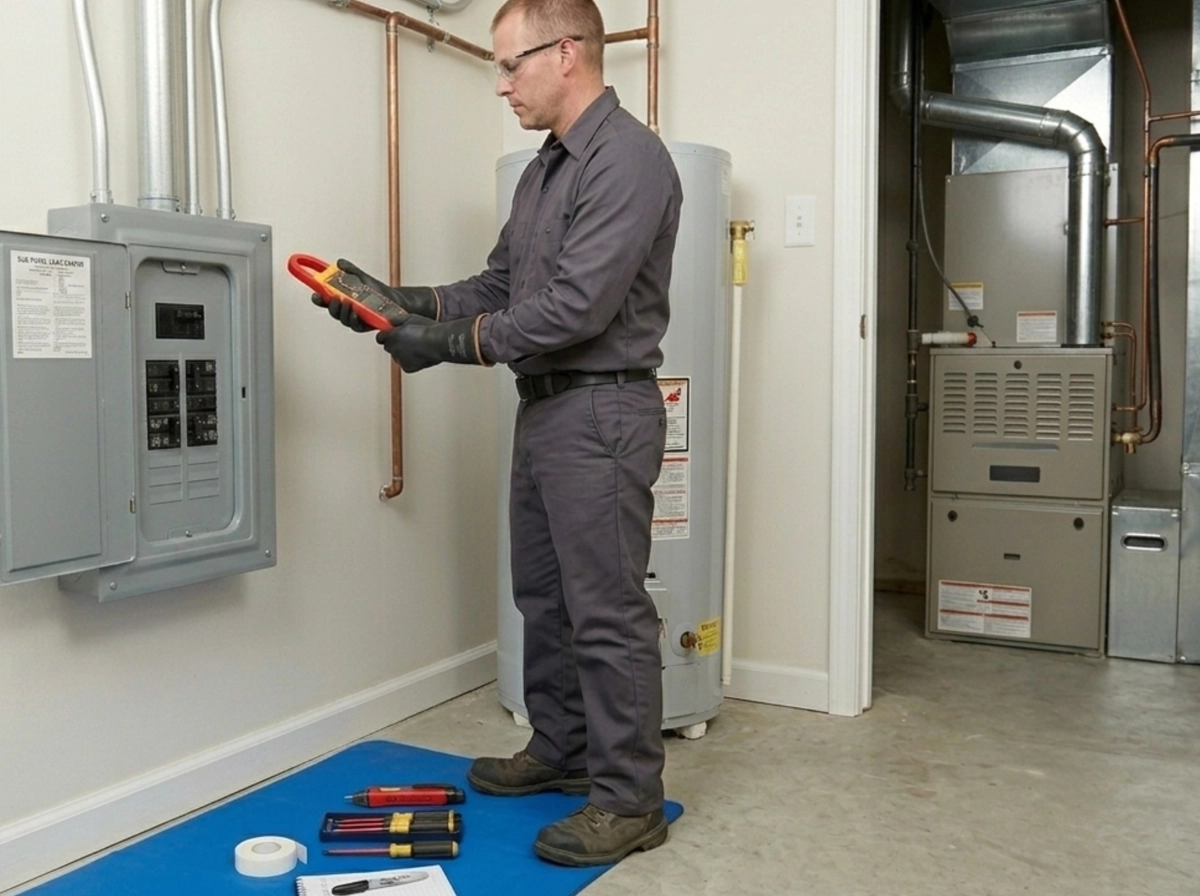
Why Summer AC Use Increases Electrical Demand
Air conditioning systems are among the largest energy consumers in most homes. During periods of extreme heat, your AC may run almost continuously, drawing substantial power from the circuit that serves it. When additional appliances or equipment are placed on the same circuit, the risk of overloading that circuit increases.
Electrical overloads occur when more electricity is demanded than a circuit can safely provide. Your electrical panel is designed to detect these situations and shut off power by tripping a breaker before wiring overheats or other dangerous conditions develop.
Avoid Adding Extra Strain to the AC Circuit
One of the best ways to prevent overloads is to minimize additional electrical demand on the circuit serving your air conditioner. While central AC systems often have dedicated circuits, other cooling equipment, such as window units or portable air conditioners, may share circuits with household devices.
Avoid plugging high-demand appliances into outlets that may be connected to the same circuit as your cooling equipment. Space heaters, dehumidifiers, refrigerators, freezers, and large electronics can all contribute to excessive electrical load. If you are unsure which outlets belong to which circuits, a professional electrical inspection can provide clarity.
It’s also important to keep your air conditioning system properly maintained. Dirty filters, clogged coils, and mechanical issues can force the unit to work harder and consume more electricity than necessary.
How to Reset a Tripped Breaker
If a breaker trips, begin by turning off or unplugging any devices connected to the affected circuit. Locate your electrical panel and identify the breaker that has moved to the middle or “off” position. To reset it, firmly switch the breaker all the way to the “off” position before moving it back to the “on” position. If power is restored and the breaker remains on, monitor the circuit for further problems.
Repeated Breaker Trips Should Never Be Ignored
If a breaker continues to trip, do not keep resetting it repeatedly. Breakers are safety devices designed to interrupt power when they detect potentially dangerous conditions. Repeatedly restoring power forces equipment to continue operating when your electrical panel is actively trying to prevent that from happening.
The underlying issue could be an overloaded circuit, a problem in the electrical panel, damaged wiring, a malfunctioning appliance, or an air conditioning system requiring repair. Whatever the cause, it must be properly diagnosed and corrected.
Continuing to reset a breaker that repeatedly trips can increase the risk of serious hazards, including electrical fires and equipment damage. Instead, contact our expert electrical team for a professional evaluation. We can identify the source of the problem, make the necessary repairs, and help ensure your home’s electrical system operates safely and reliably throughout the summer cooling season.
At Dalton Plumbing, Heating, Cooling, Electric and Fireplaces, Inc., your comfort is our promise! Contact us today for electrical services in Des Moines, IA!